Every brand has a strategy.
Every brand has goals.
Every brand has a plan.
But very few brands have a narrative.
And that’s why most brands struggle to grow, build trust, or stand out in a crowded market.
In today’s world, a narrative is more powerful than a marketing strategy.
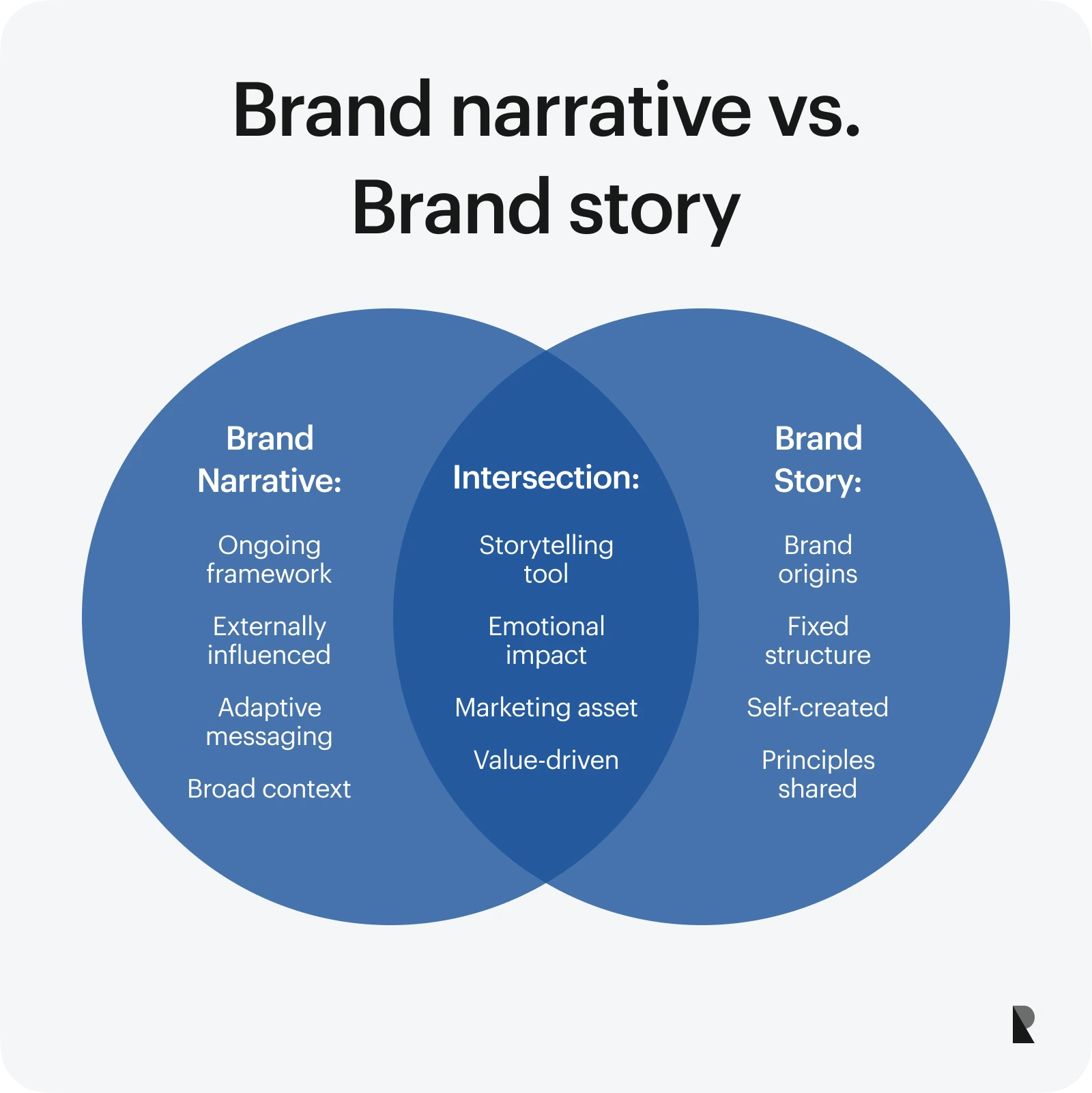
Because a strategy tells you what to do,
but a narrative tells people why you matter.
Let’s break down why your brand needs a strong narrative — not just a strategy.
⭐ 1. Strategies Are Logical — Narratives Are Emotional
People don’t buy because of logic.
People buy because of emotion.
A strategy is built on:
- Funnels
- KPIs
- Goals
- Execution
- Tactics
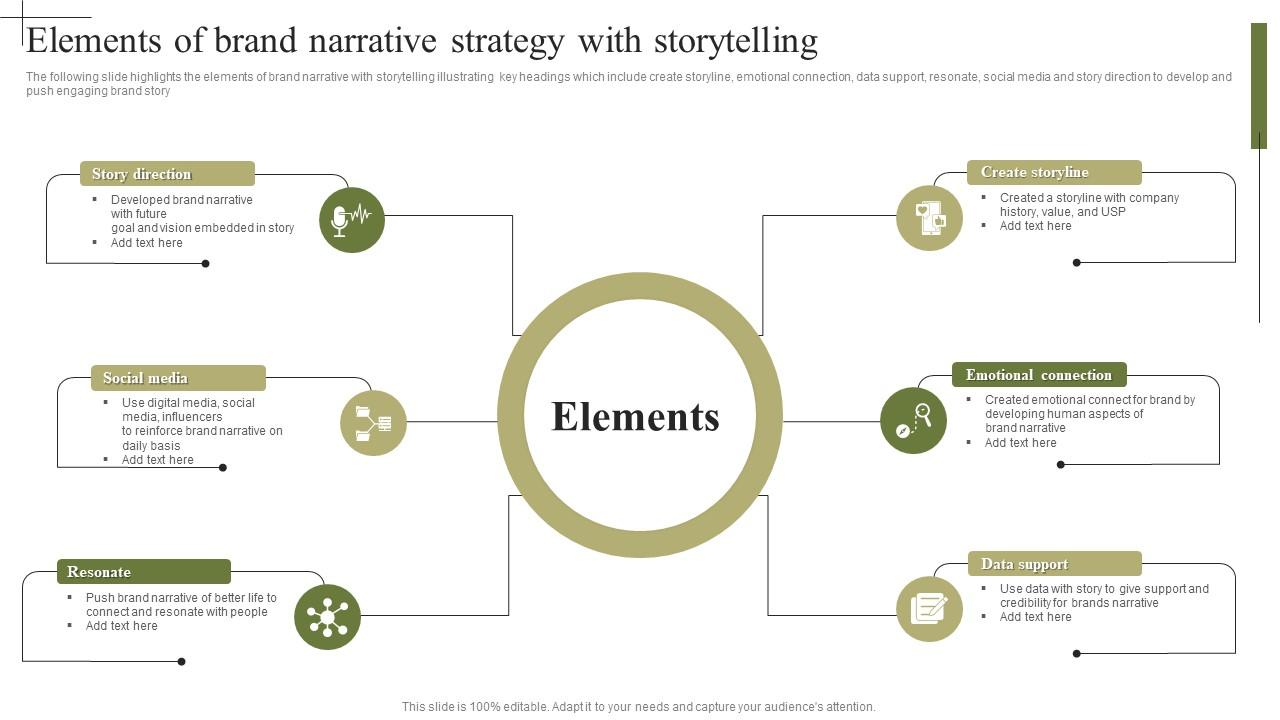
But a narrative is built on:
- Purpose
- Emotion
- Identity
- Meaning
- Human connection
Narratives make people feel something.
That’s why Apple, Nike, Airbnb, Tesla, and Dove don’t sell products —
they sell beliefs.
Your narrative is your heart.
Your strategy is your brain.
People buy the heart.
⭐ 2. Narratives Make Your Brand Memorable
In a world full of ads, content, creators, influencers, and noise…
A brand must have a story that people remember.
Example:
Nike → “Just Do It”
Apple → “Think Different”
Dove → “Real Beauty”
Tesla → “Future of Energy”
These are not taglines.
These are NARRATIVES.
A narrative tells people:
✔ Who you are
✔ Why you exist
✔ What you believe
✔ What makes you different
This is the new competitive advantage.
⭐ 3. Narratives Build Trust Faster Than Any Ad Campaign
Consumers trust:
✔ real stories
✔ real people
✔ real experiences
They don’t trust:
❌ marketing jargon
❌ sales language
❌ corporate claims
A narrative creates emotional consistency —
something every winning brand has.
⭐ 4. Narratives Make Content Creation Effortless
The biggest problem brands face:
“What do we post?”
“How do we stay consistent?”
When you have a narrative →
your content has a direction.
Your narrative becomes your content pillars:
Example Narrative:
“We help people simplify skincare.”
This becomes:
✔ simple tips
✔ honest reviews
✔ ingredients explained
✔ mistakes to avoid
✔ routines for beginners
You never run out of content ideas.
⭐ 5. A Strong Narrative Attracts Ideal Customers Automatically
Your narrative acts like a magnet.
Example:
✔ A fitness brand with a narrative of “strong, not skinny”
attracts confident, motivated customers.
✔ A business brand with a narrative of “freedom, not hustle”
attracts thoughtful entrepreneurs.
✔ A skincare brand with a narrative of “science over hype”
attracts educated buyers.
Narratives filter your audience.
They attract people who match your values.
⭐ 6. Narratives Turn Customers Into Fans
Fans don’t follow brands because of discounts.
They follow brands because they connect.
A strategy can bring sales.
A narrative creates community.
Example:
Starbucks customers don’t love coffee —
they love the brand story of warmth, belonging, and personalization.
⭐ 7. Narratives Make UGC Much More Powerful
UGC creators need direction.
If your brand doesn’t have a narrative →
your UGC becomes random.
But when your brand has a narrative →
creators create content that FEELS aligned.
For example:
A skincare brand with the narrative:
“Everyday beauty without filters.”
Creators will shoot:
- raw skin
- natural light videos
- simple routines
- honest reviews
Your narrative becomes part of their storytelling.
To build a content system where creators tell your story well —
you need a creator network.
⭐ 8. This Is Where Creator Navigator Becomes Important
Building a narrative-driven brand requires:
✔ consistent content
✔ multiple storytellers
✔ relatable UGC
✔ fresh perspectives
✔ authentic reviews
This is only possible when you work with multiple creators regularly.
Creator Navigator helps brands:
- Build creator networks
- Find creators who match your narrative
- Produce narrative-aligned UGC
- Scale storytelling through many voices
- Maintain consistent brand identity
If your brand has a strong narrative,
Creator Navigator helps amplify it at scale.
⭐ 9. How to Build Your Brand Narrative (Practical Steps)
Here’s a simple framework:
Step 1: Define the belief
What does your brand stand for?
Step 2: Define the enemy
What are you fighting against?
(e.g., fake skincare, complicated routines, unhealthy supplements)
Step 3: Define the transformation
What change do you create for customers?
Step 4: Define the personality
Are you bold? Friendly? Scientific? Emotional?
Step 5: Define the promise
What do customers get emotionally from your brand?
This becomes your narrative.
⭐ Conclusion
A strategy helps you sell.
A narrative helps you matter.
Strategies change.
Algorithms change.
Trends change.
Markets change.
But a narrative —
that stays forever.
If you want your brand to stand out, grow fast, and be remembered —
build a narrative.
And if you want creators who bring that narrative to life…
Creator Navigator is the easiest place to start.
Leave a Reply