Category: Uncategorized

  • The 7 Content Types Every D2C Brand Should Prioritize

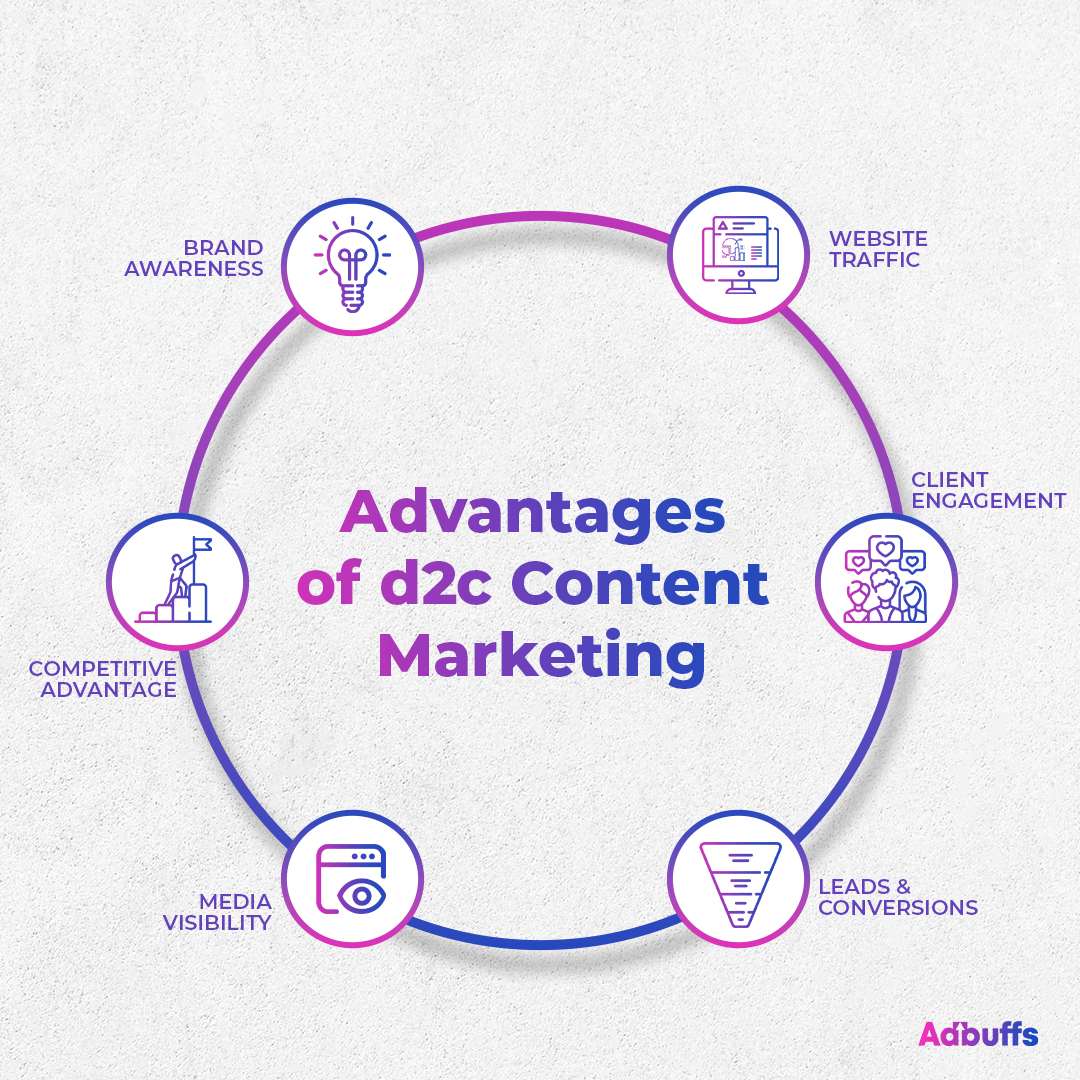
    https://adbuffs.com/wp-content/uploads/2022/06/Adbuffs-advantages-of-d2c-content-marketing-RB-Image-3.png
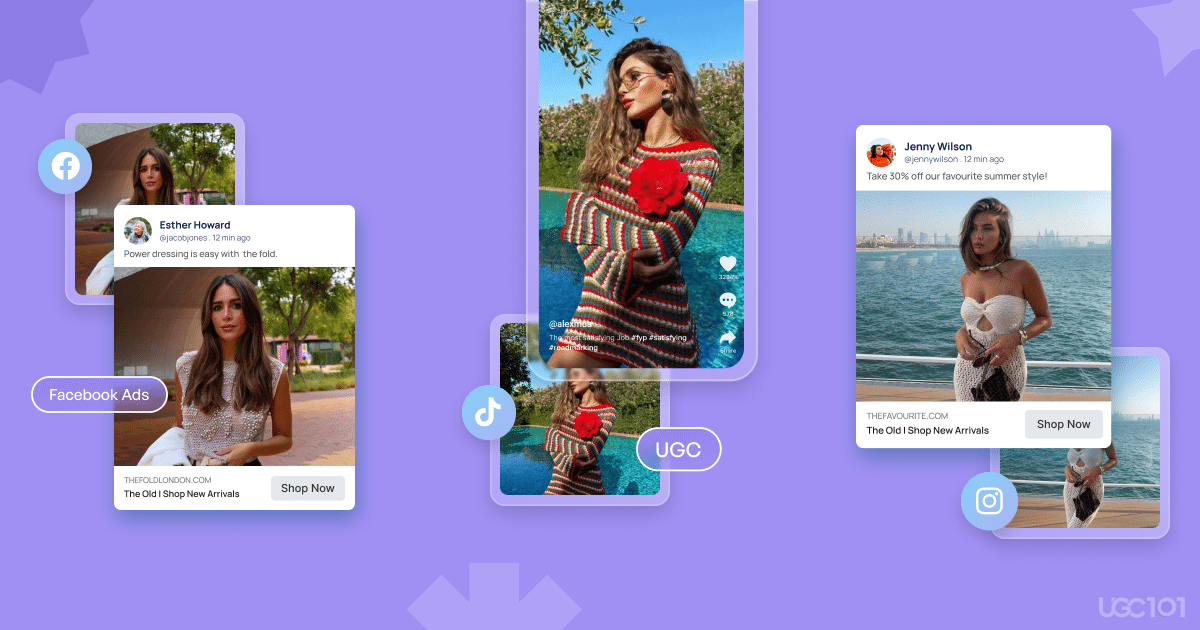
    https://cdn.taggbox.com/v7/ugc101.com/wp-content/uploads/2025/10/ugc-for-d2c-brands.png
    https://www.mconnectmedia.com/blog/wp-content/uploads/2021/09/5-little-known-ways-to-content-types-for-ecommerce.jpg

    The D2C world has changed.
    Marketing is no longer about fancy shoots, big influencers, or high-budget ads.
    It’s about:

    ✔ Trust
    ✔ Relevance
    ✔ Story
    ✔ Rawness
    ✔ UGC
    ✔ Frequency
    ✔ Content velocity

    A brand that posts once a week is invisible.
    A brand that posts 40–100 times a month wins.

    But the real question is:

    👉 What type of content should a D2C brand focus on?
    👉 What content actually drives sales, trust & conversions?
    👉 Which formats give the highest ROAS?

    This blog breaks down the 7 most essential content types every D2C brand must prioritize to win in 2025 and beyond.

    Let’s dive in.


    1. UGC (User-Generated Content) — The King of D2C Growth
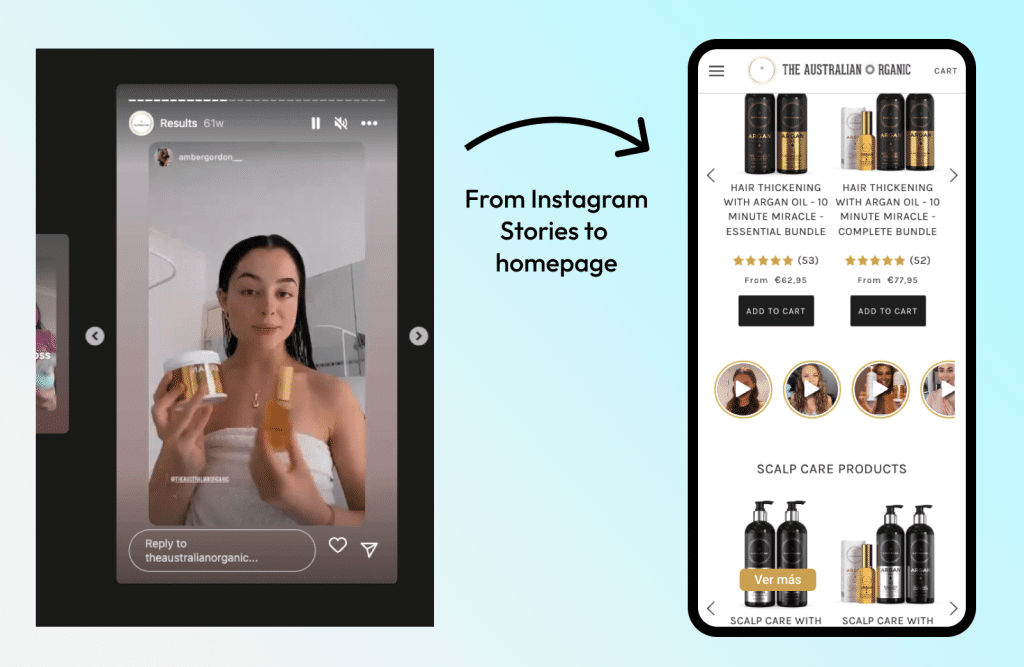
    https://cdn.taggbox.com/v7/ugc101.com/wp-content/uploads/2024/05/image-13-1024x667.png
    https://fiverr-res.cloudinary.com/videos/so_35.8801166%2Ct_main1%2Cq_auto%2Cf_auto/l61zxvlmss4viwbxiws1/record-a-female-ugc-selfie-video.png
    https://ecommercefastlane.com/wp-content/uploads/2022/02/53156-ugc-definition-how-ecommerce-sites-can-crush-it.png

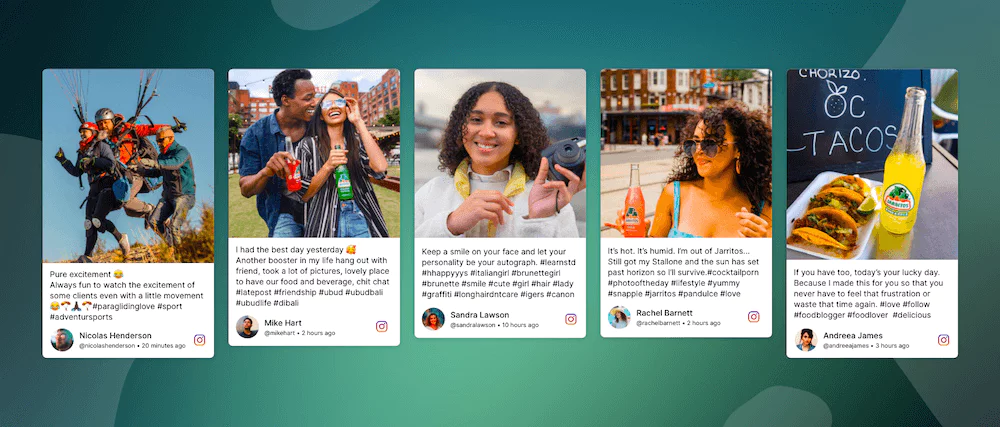
    Today, UGC is the MOST important content type for a D2C brand.

    Why?

    Because UGC is:

    ✔ Relatable
    ✔ Raw
    ✔ Honest
    ✔ Authentic
    ✔ Trust-building
    ✔ Cost-effective
    ✔ High-converting
    ✔ Easy to scale

    This includes:

    • Selfie-style product reviews
    • Raw unboxing videos
    • “I tried this and…” testimonials
    • Product demos
    • POV experience videos

    Why UGC Works So Well

    Consumers don’t trust brands — they trust people.
    UGC feels like a friend recommending a product.

    And UGC works across EVERYTHING:

    • Ads
    • Reels
    • Shorts
    • PDP pages
    • WhatsApp
    • Amazon listings
    • Email marketing

    To Produce Consistent UGC

    You need a network of creators.
    Managing them manually is difficult — this is where Creator Navigator becomes a lifesaver.

    It helps D2C brands access trained UGC creators who shoot authentic, performance-driven content consistently.


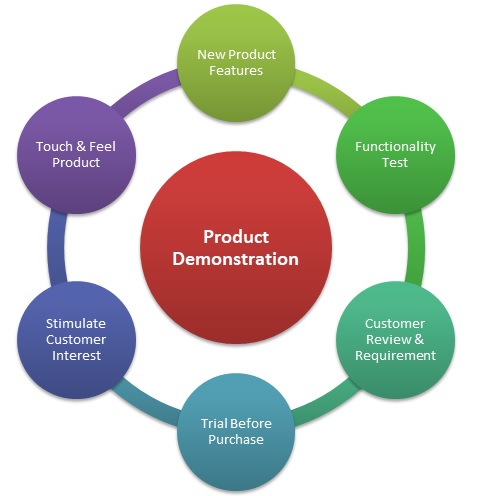
    2. Product Demonstration Content (Show, Don’t Tell)
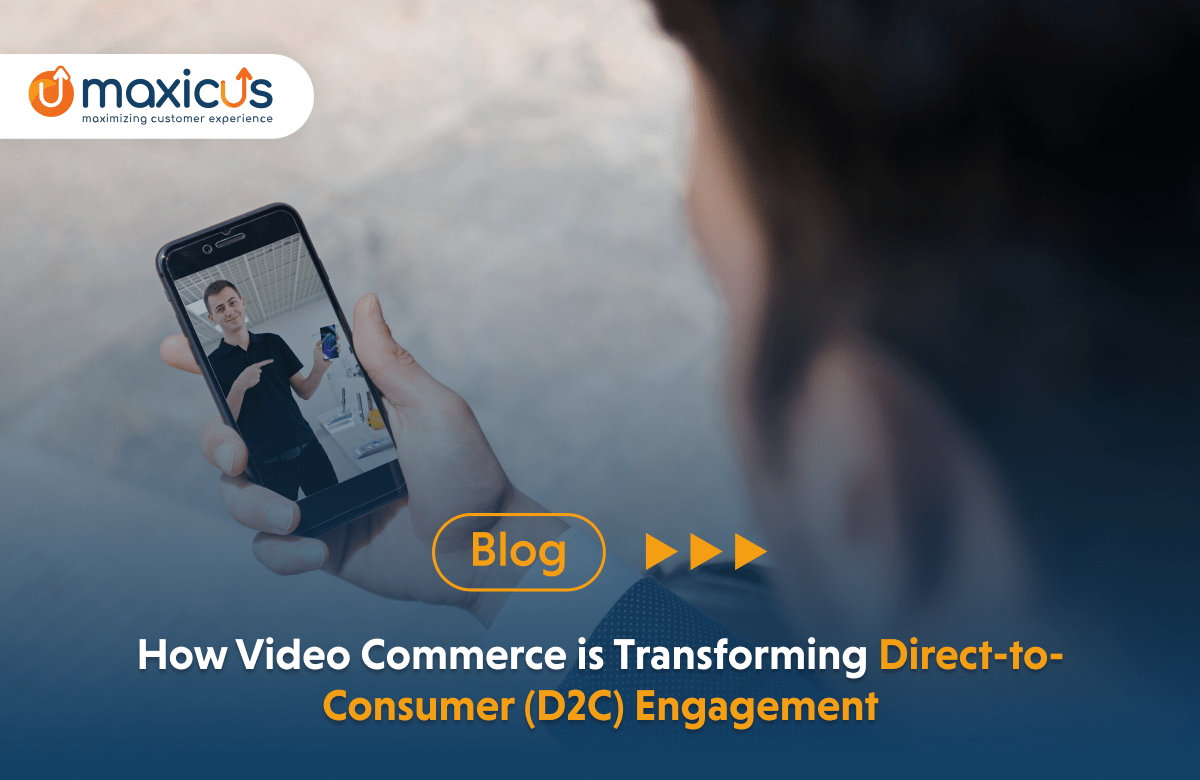
    https://maxicus.com/wp-content/uploads/2024/09/How-Video-Commerce-is-Transforming-Direct-to-Consumer-D2C-Engagement.png
    https://www.mbaskool.com/2019_images/stories/jun_images/product-demonstration.jpg
    https://quickframe.mountain.com/wp-content/uploads/2022/09/QF_SEOBlog_101022Blog_1920x1080.jpg

    D2C customers want to see how a product works before buying.

    Product demo content is powerful because it:

    ✔ Reduces confusion
    ✔ Increases confidence
    ✔ Boosts add-to-cart rate
    ✔ Lowers return rate
    ✔ Improves conversion

    High-Converting Demo Formats:

    • “Watch how this works…”
    • “Here’s how to use it in 10 seconds”
    • “Real-time product test”
    • “Does it really work? Let’s check…”

    Great demo content can increase website conversions by 20–40% instantly.

    This is the #1 content type for products like:

    • Beauty & skincare
    • Gadgets
    • Kitchen tools
    • Fitness equipment
    • Makeup
    • Home products

    Tip: Test 10 different demo angles with 10 creators for maximum results.


    3. Founder-Led Content (People Trust People, Not Logos)

    https://media.licdn.com/dms/image/v2/D4D12AQGurpA_wtc4pg/article-cover_image-shrink_720_1280/article-cover_image-shrink_720_1280/0/1730315712271?e=2147483647&t=5toglmtZMBsoAVqEnp9rDxrx4jBXl6pS52K7ONAswL8&v=beta
    https://exchange4media.gumlet.io/news-photo/140702-big38.jpg
    https://i.ytimg.com/vi/9-xKmU9ZH70/hq720.jpg?rs=AOn4CLBsyQmLx885P8WFSDRtapx4iaALZg&sqp=-oaymwEhCK4FEIIDSFryq4qpAxMIARUAAAAAGAElAADIQj0AgKJD

    The strongest D2C brands have one thing in common:

    👉 A human face in front of the brand.

    Founder-led content builds:

    ✔ Trust
    ✔ Authenticity
    ✔ Authority
    ✔ Transparency
    ✔ Emotional connection

    Examples include:

    • Founder explaining the product
    • Founder talking about brand values
    • Founder sharing journey
    • Founder reacting to customer reviews
    • Founder answering FAQs

    People relate more when they see a REAL human behind a brand.

    This content type dramatically increases retention + loyalty.


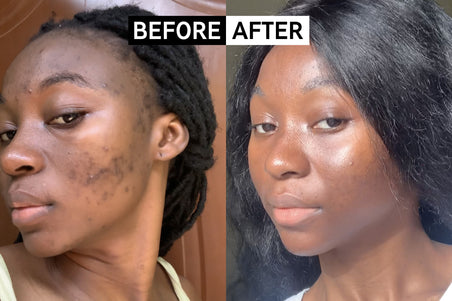
    4. Before-After & Transformation Content (The Highest Converting Format)
    https://uk.theinkeylist.com/cdn/shop/articles/UGC__HYCENT_desktop_452x.jpg?v=1674577308
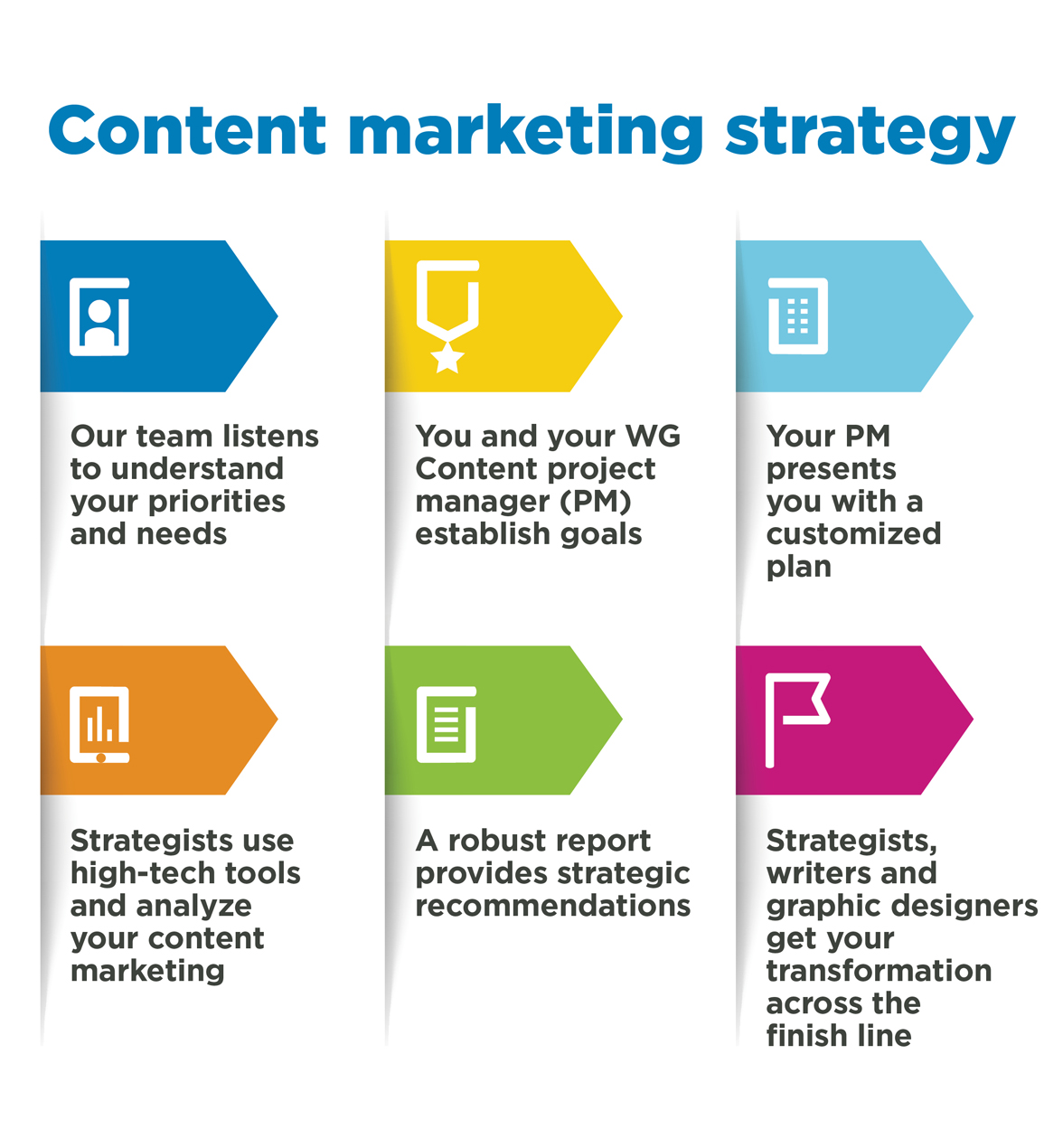
    https://wgcontent.com/wp-content/uploads/2024/03/WG-Content-Content-Marketing-Strategy.jpg
    https://cdn.shopify.com/s/files/1/0277/1215/9846/files/Ayesha_before_and_after1_copy_480x480.jpg?v=1671421813

    Nothing sells better than transformation.

    Why?

    Because customers want to see RESULTS.

    This content type triggers:

    ✔ Hope
    ✔ Trust
    ✔ Curiosity
    ✔ Proof
    ✔ Desire

    Best for:

    • Haircare
    • Skincare
    • Weight loss
    • Fitness
    • Grooming
    • Cleaning products
    • Cosmetic enhancements

    A single before-after post can outperform a ₹50,000 advertisement.

    Tip: Encourage UGC creators + customers to share real transformations.


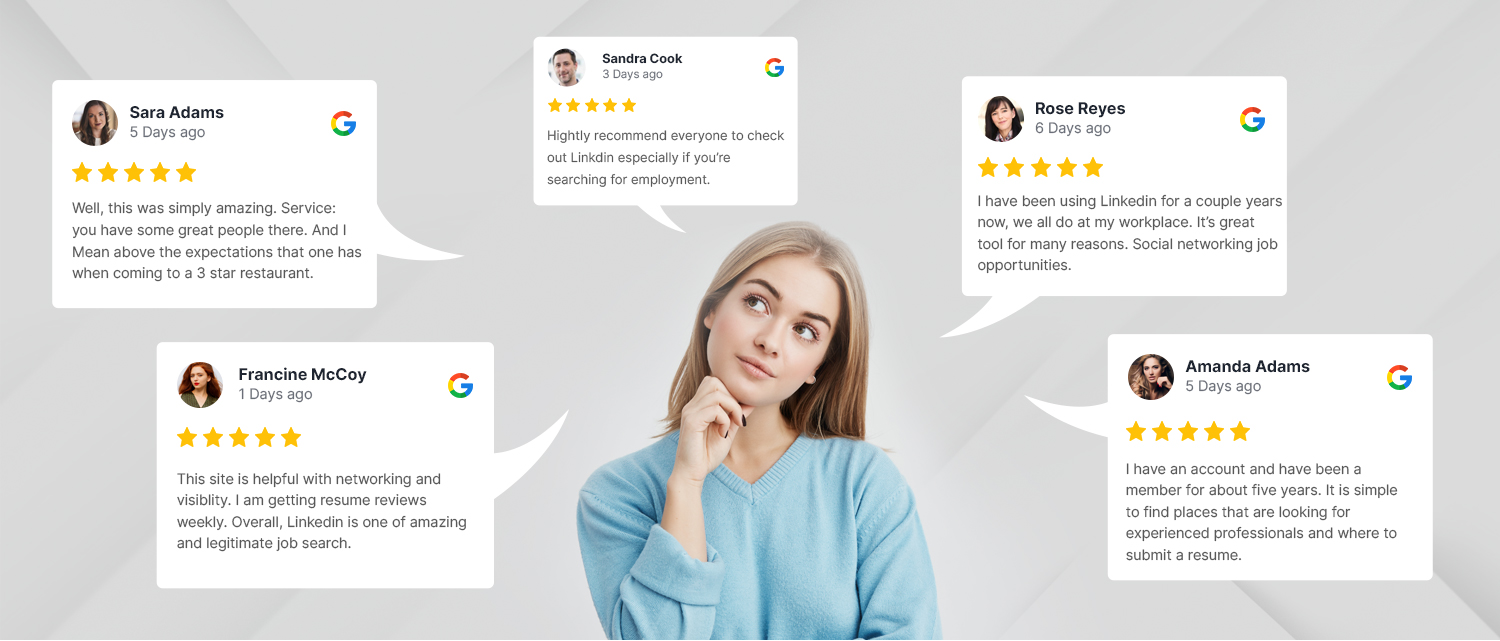
    5. Social Proof Content (Testimonials, Reviews & Reactions)
    https://billo.app/wp-content/uploads/2023/12/ugc-video-examples.webp
    https://tagembed.com/blog/wp-content/uploads/2022/03/customer-reviews-examples.jpg
    https://embedsocial.com/wp-content/uploads/2022/03/social-proof-examples_439049a4273061b1758ed31d3dfca527_2000.jpg

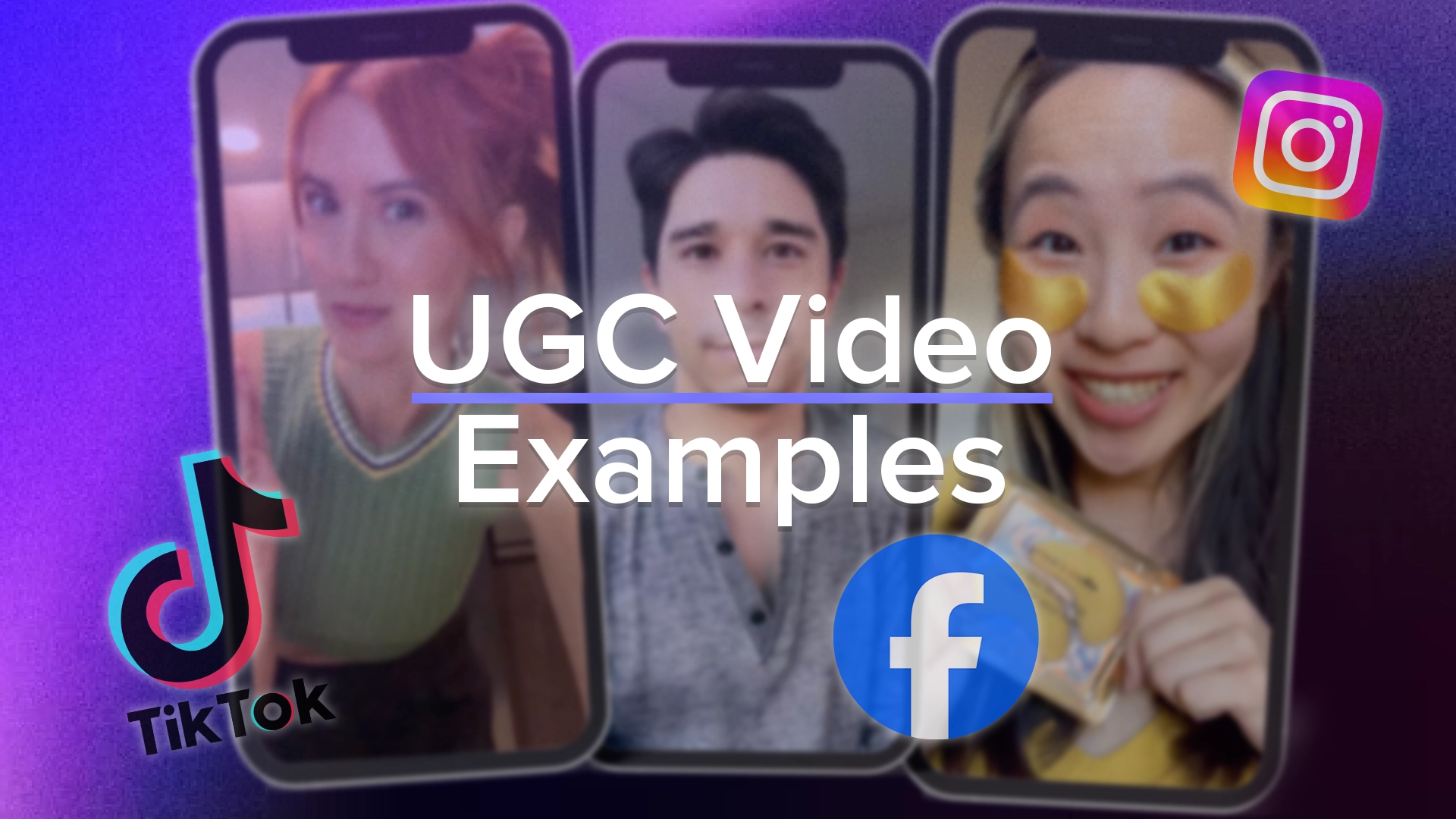
    Social proof is one of the strongest psychological triggers in marketing.

    Types of social proof content:

    ✔ Customer testimonials
    ✔ Reaction videos
    ✔ “Why I love this product” clips
    ✔ Amazon/Flipkart review screenshots
    ✔ Unboxing reactions
    ✔ DM feedback
    ✔ Google reviews
    ✔ Celebrity micro-mentions

    Someone else praising your product sells far more than YOU praising it.

    Social proof dramatically increases conversion rate on:

    • Landing pages
    • Instagram
    • TikTok
    • Ads
    • PDP pages
    • YouTube

    Tip: Gather at least 100+ micro-testimonials for maximum trust.


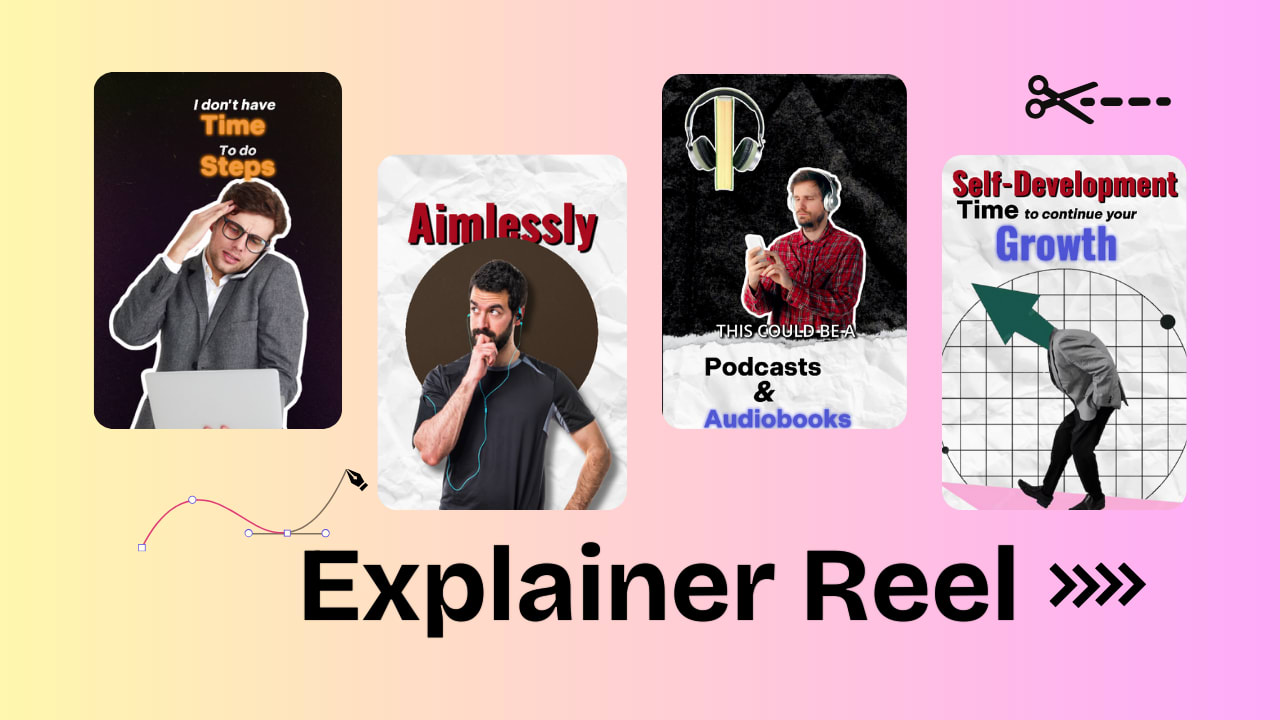
    6. Educative Content (Teach, Don’t Sell)
    https://cdn.sanity.io/images/tkl0o0xu/production/2d381cd566bc6d34fc319a4dd1364a66894395de-921x646.png?dpr=1&fit=min&h=600&q=95&w=856
    https://fueler.io/storage/users/timeline_image/1739182552-ni3julukabwwpv5qkdst.jpg
    https://cdn.prod.website-files.com/60aacdcdcc32cf7f755512fc/6425872f4c4089bab67d7191_OdebceNZCP_OHJSQP15jrRmZGghXfc5emuUKsus2sBHaqpuMCVIvDMXGvmM1l9S7tEtfC3rC2b9UOppmnnU4qcvTPoEydplmJ_-5HDCeMugrSzt3pcvT5qyIxm2jwPjiQmY5vwjsEI1T.webp

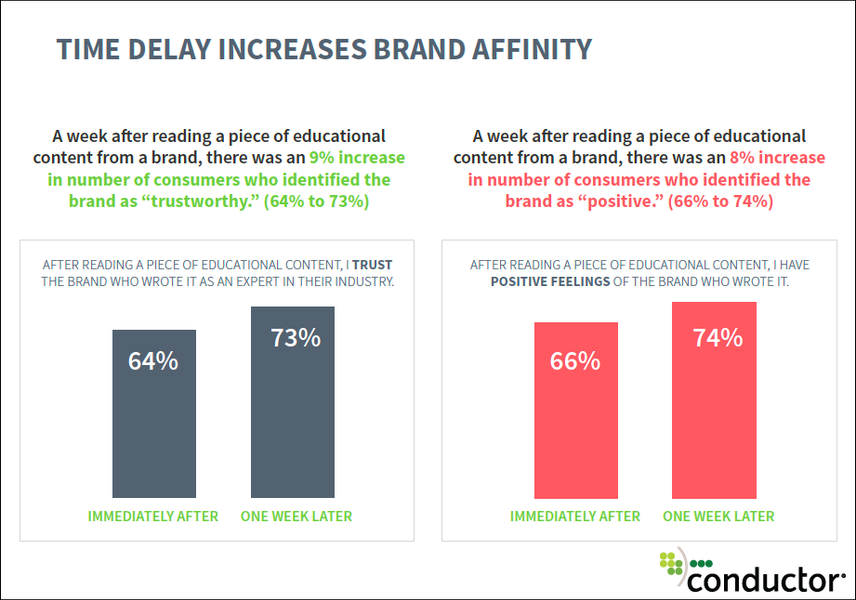
    Modern buyers want knowledge — not just offers.

    Educational content builds:

    ✔ Authority
    ✔ Brand credibility
    ✔ Customer understanding
    ✔ Retention
    ✔ Trust

    Examples:

    • “How to use the product correctly”
    • “3 mistakes to avoid…”
    • “Why your current product isn’t working…”
    • “Science-backed explanation…”
    • “Ingredient breakdown…”

    This content keeps users ENGAGED, even when they aren’t buying today — leading to long-term conversions.

    Educational content is especially vital for:

    • Wellness
    • Beauty
    • Skincare
    • Health
    • Food supplements
    • Tech gadgets

    Be a teacher, not a seller.


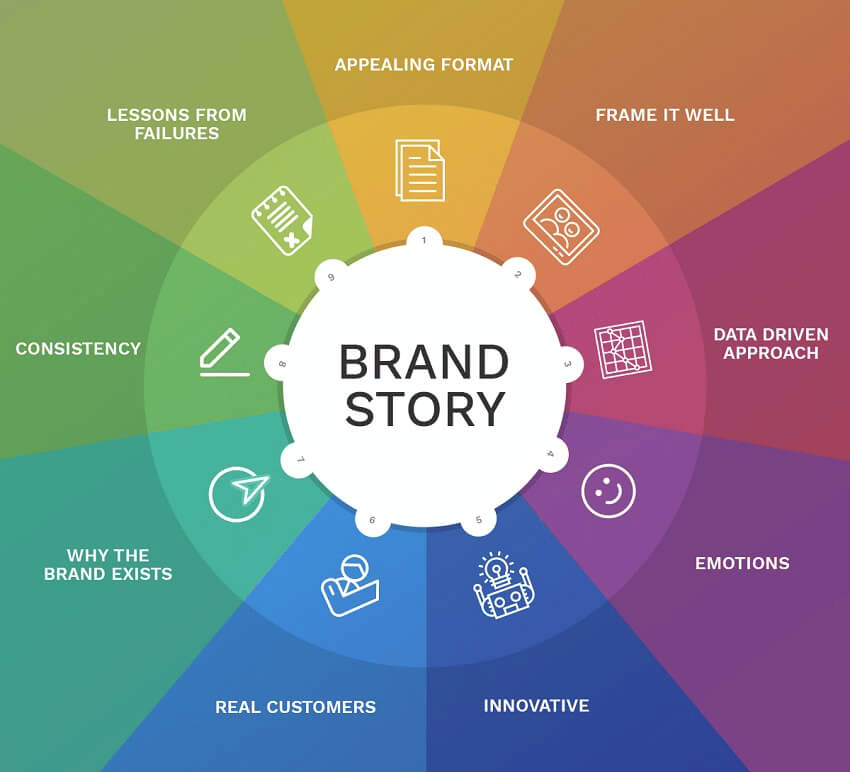
    7. Storytelling Content (The Emotional Engine of D2C)
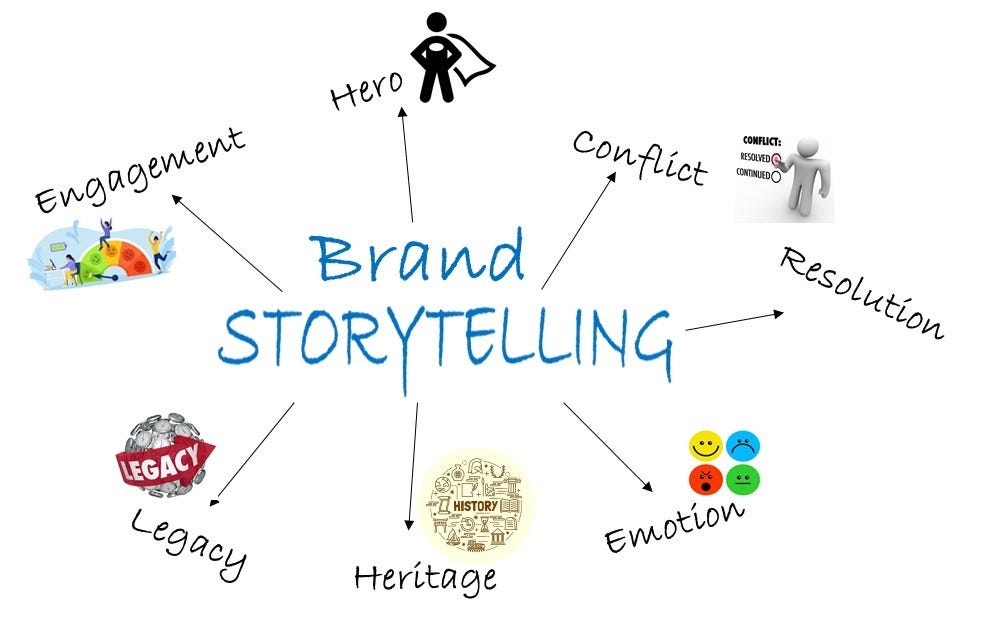
    https://smarketingcloud.com/wp-content/uploads/2023/04/img_5822.png
    https://www.whatmore.ai/content/images/2024/09/Instagram-Storytelling-Graphic-01.webp
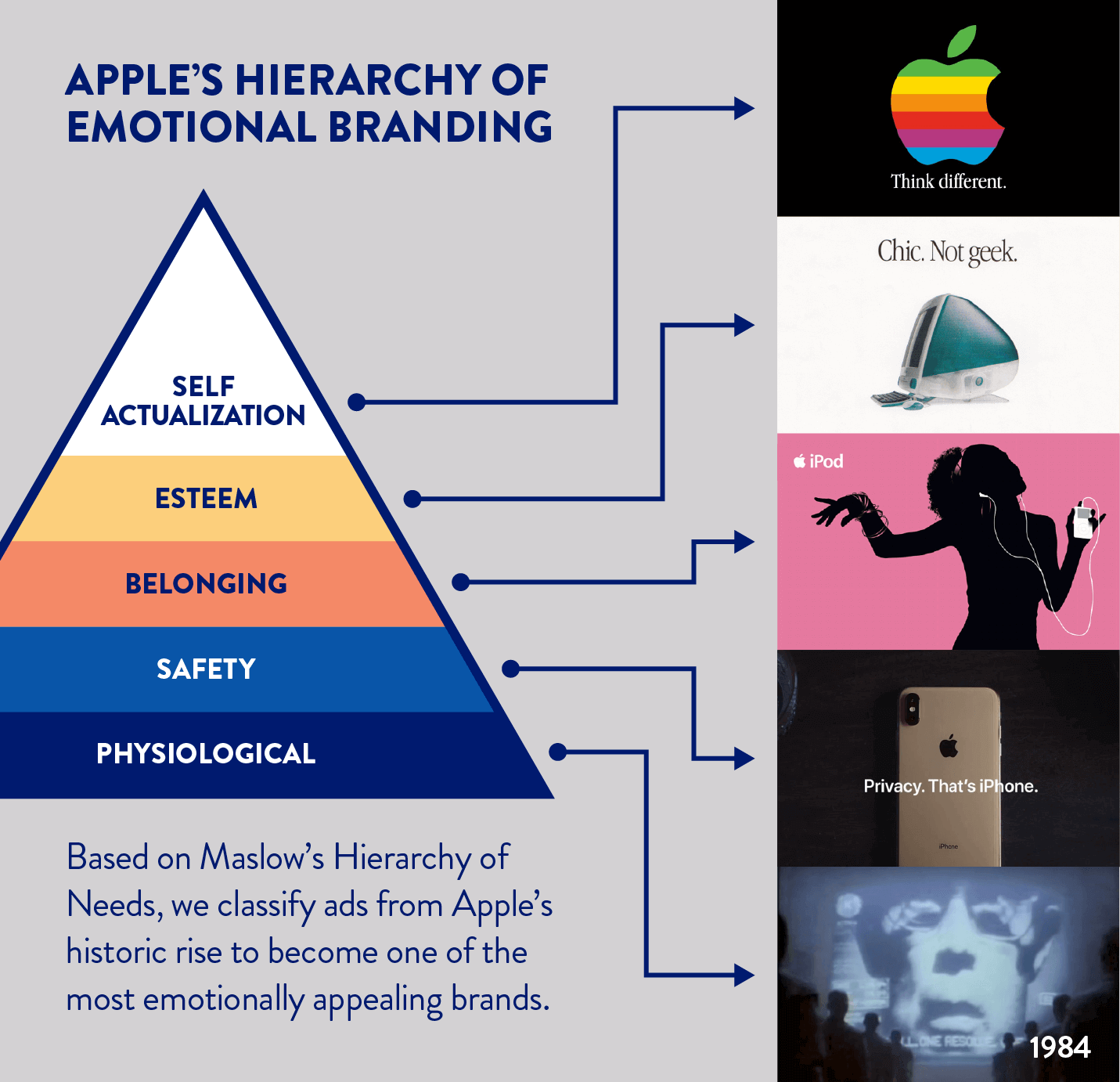
    https://clevertap.com/wp-content/uploads/2019/08/emotional-branding-hierarchy-of-apple-brand-ads.png

    Storytelling is the MOST powerful form of communication.

    Stories create:

    ✔ Emotion
    ✔ Connection
    ✔ Memory
    ✔ Meaning
    ✔ Loyalty

    Examples:

    • Founder story
    • Customer journey
    • Product birth story
    • “What inspired this brand?”
    • “Real problems we’re solving”
    • “What goes behind making this product?”

    Stories help customers feel the brand — not just see it.

    This content type drives long-term brand love.


    BONUS: Turn 1 Content Piece Into 20 Pieces (D2C Growth Hack)

    D2C brands must prioritize content velocity.

    Here’s how to turn 1 UGC video into 20:

    • 1 original UGC video
    • 3 edited versions
    • 2 short clips
    • 3 quote formats
    • 3 GIF reactions
    • 2 meme formats
    • 2 screenshot posts
    • 1 carousel breakdown
    • 3 ads
    • 1 website proof section

    A single video → becomes a content empire.


    How Creator Navigator Helps With All This

    To produce these 7 content types consistently, a D2C brand needs:

    ✔ Creators
    ✔ UGC
    ✔ Variety
    ✔ Frequency
    ✔ Raw content
    ✔ Real reviews
    ✔ Storytellers

    Doing this manually is impossible.

    That’s why brands use Creator Navigator.

    Creator Navigator helps you:

    • Access trained UGC creators
    • Build a D2C creator network
    • Produce raw & authentic UGC
    • Scale content production
    • Run multiple content formats
    • Keep ads fresh
    • Shoot founder content + customer-style content
    • Reduce creative fatigue

    If you want to create all 7 content formats consistently, Creator Navigator is the perfect backbone for your brand.


    Conclusion

    Every D2C brand must prioritize these 7 content types because they deliver:

    ✔ Trust
    ✔ Sales
    ✔ Retention
    ✔ Social proof
    ✔ Brand identity
    ✔ Community
    ✔ Repeat purchases

    These are not optional anymore — they’re essential.

    D2C brands that master UGC + demos + storytelling + social proof will dominate the next 5 years.

    Brands that ignore these content types will disappear.
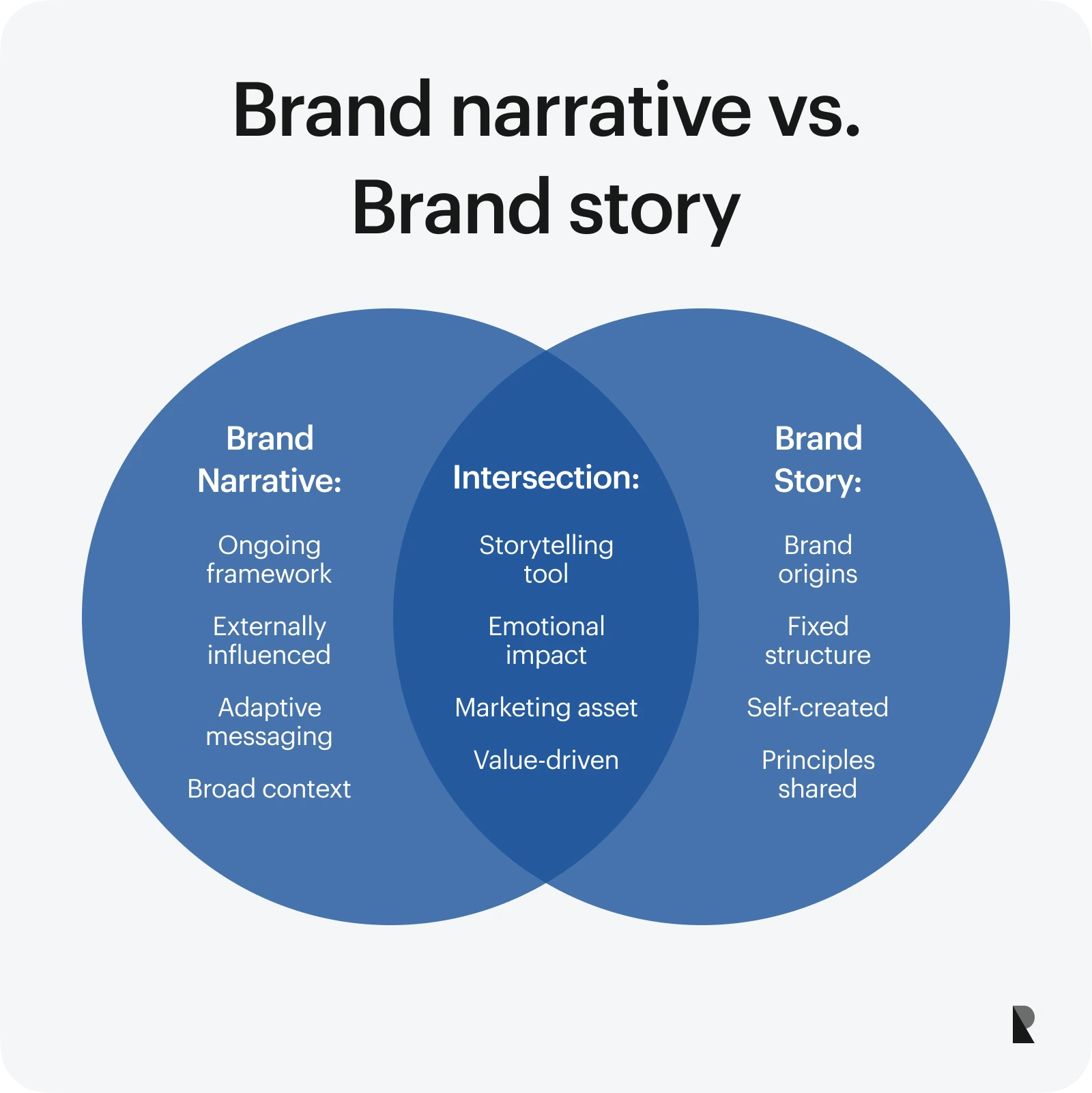
  • Why Your Brand Needs a Narrative, Not a Strategy

    https://www.datocms-assets.com/22695/1751879772-1751653174-brand-narrative-vs-brand-story.webp
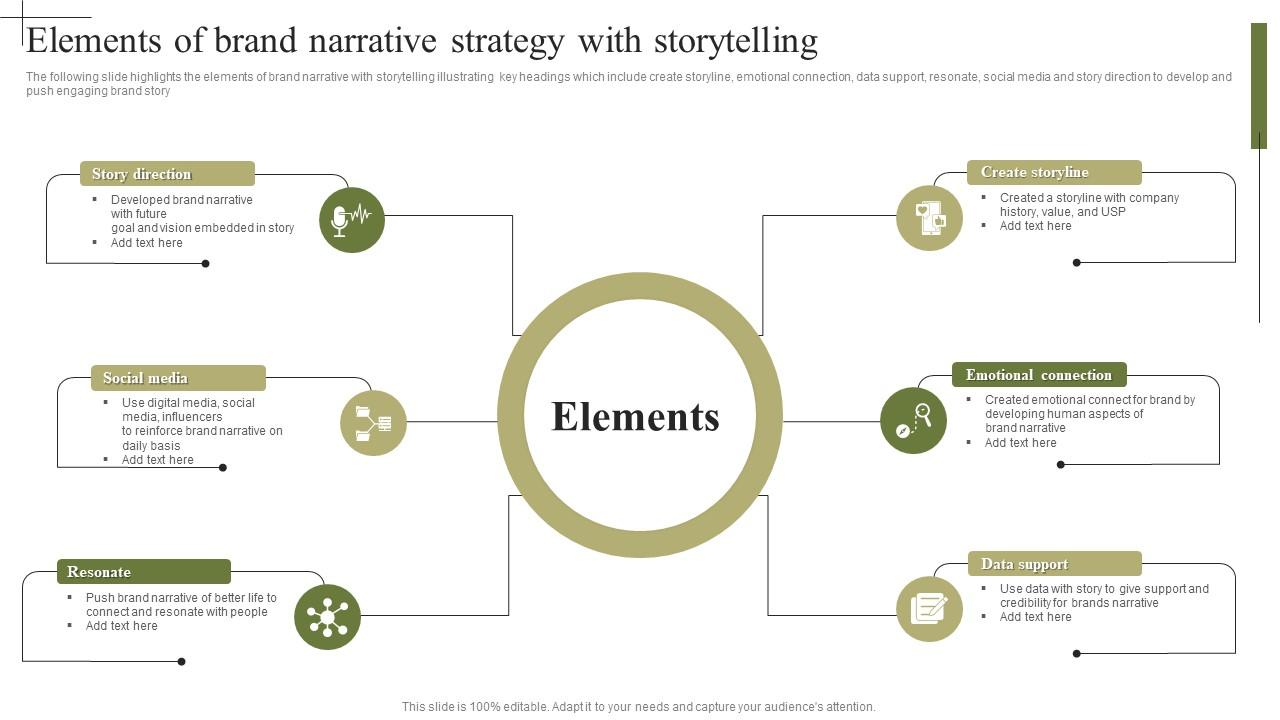
    https://www.slideteam.net/media/catalog/product/cache/1280x720/e/l/elements_of_brand_narrative_strategy_with_storytelling_slide01.jpg
    https://miro.medium.com/1%2A9HIsRkw1Tyh4SQ-vJhaU1A.jpeg

    Every brand has a strategy.
    Every brand has goals.
    Every brand has a plan.

    But very few brands have a narrative.

    And that’s why most brands struggle to grow, build trust, or stand out in a crowded market.

    In today’s world, a narrative is more powerful than a marketing strategy.
    Because a strategy tells you what to do,
    but a narrative tells people why you matter.

    Let’s break down why your brand needs a strong narrative — not just a strategy.


    ⭐ 1. Strategies Are Logical — Narratives Are Emotional

    People don’t buy because of logic.
    People buy because of emotion.

    A strategy is built on:

    • Funnels
    • KPIs
    • Goals
    • Execution
    • Tactics

    But a narrative is built on:

    • Purpose
    • Emotion
    • Identity
    • Meaning
    • Human connection

    Narratives make people feel something.

    That’s why Apple, Nike, Airbnb, Tesla, and Dove don’t sell products —
    they sell beliefs.

    Your narrative is your heart.
    Your strategy is your brain.
    People buy the heart.


    ⭐ 2. Narratives Make Your Brand Memorable

    In a world full of ads, content, creators, influencers, and noise…

    A brand must have a story that people remember.

    Example:

    Nike → “Just Do It”
    Apple → “Think Different”
    Dove → “Real Beauty”
    Tesla → “Future of Energy”

    These are not taglines.
    These are NARRATIVES.

    A narrative tells people:

    ✔ Who you are
    ✔ Why you exist
    ✔ What you believe
    ✔ What makes you different

    This is the new competitive advantage.


    ⭐ 3. Narratives Build Trust Faster Than Any Ad Campaign

    Consumers trust:

    ✔ real stories
    ✔ real people
    ✔ real experiences

    They don’t trust:

    ❌ marketing jargon
    ❌ sales language
    ❌ corporate claims

    A narrative creates emotional consistency —
    something every winning brand has.


    ⭐ 4. Narratives Make Content Creation Effortless

    The biggest problem brands face:

    “What do we post?”
    “How do we stay consistent?”

    When you have a narrative →
    your content has a direction.

    Your narrative becomes your content pillars:

    Example Narrative:

    “We help people simplify skincare.”

    This becomes:

    ✔ simple tips
    ✔ honest reviews
    ✔ ingredients explained
    ✔ mistakes to avoid
    ✔ routines for beginners

    You never run out of content ideas.


    ⭐ 5. A Strong Narrative Attracts Ideal Customers Automatically

    Your narrative acts like a magnet.

    Example:

    ✔ A fitness brand with a narrative of “strong, not skinny”
    attracts confident, motivated customers.

    ✔ A business brand with a narrative of “freedom, not hustle”
    attracts thoughtful entrepreneurs.

    ✔ A skincare brand with a narrative of “science over hype”
    attracts educated buyers.

    Narratives filter your audience.
    They attract people who match your values.


    ⭐ 6. Narratives Turn Customers Into Fans

    Fans don’t follow brands because of discounts.
    They follow brands because they connect.

    A strategy can bring sales.
    A narrative creates community.

    Example:
    Starbucks customers don’t love coffee —
    they love the brand story of warmth, belonging, and personalization.


    ⭐ 7. Narratives Make UGC Much More Powerful

    UGC creators need direction.

    If your brand doesn’t have a narrative →
    your UGC becomes random.

    But when your brand has a narrative →
    creators create content that FEELS aligned.

    For example:

    A skincare brand with the narrative:
    “Everyday beauty without filters.”

    Creators will shoot:

    • raw skin
    • natural light videos
    • simple routines
    • honest reviews

    Your narrative becomes part of their storytelling.

    To build a content system where creators tell your story well —
    you need a creator network.


    ⭐ 8. This Is Where Creator Navigator Becomes Important

    Building a narrative-driven brand requires:

    ✔ consistent content
    ✔ multiple storytellers
    ✔ relatable UGC
    ✔ fresh perspectives
    ✔ authentic reviews

    This is only possible when you work with multiple creators regularly.

    Creator Navigator helps brands:

    • Build creator networks
    • Find creators who match your narrative
    • Produce narrative-aligned UGC
    • Scale storytelling through many voices
    • Maintain consistent brand identity

    If your brand has a strong narrative,
    Creator Navigator helps amplify it at scale.


    ⭐ 9. How to Build Your Brand Narrative (Practical Steps)

    Here’s a simple framework:

    Step 1: Define the belief

    What does your brand stand for?

    Step 2: Define the enemy

    What are you fighting against?
    (e.g., fake skincare, complicated routines, unhealthy supplements)

    Step 3: Define the transformation

    What change do you create for customers?

    Step 4: Define the personality

    Are you bold? Friendly? Scientific? Emotional?

    Step 5: Define the promise

    What do customers get emotionally from your brand?

    This becomes your narrative.


    Conclusion

    A strategy helps you sell.
    A narrative helps you matter.

    Strategies change.
    Algorithms change.
    Trends change.
    Markets change.

    But a narrative —
    that stays forever.

    If you want your brand to stand out, grow fast, and be remembered —
    build a narrative.

    And if you want creators who bring that narrative to life…
    Creator Navigator is the easiest place to start.

  • The Rise of Nano Creators — and Why They Matter

    https://6thstreetartist.com/wp-content/webp-express/webp-images/uploads/2025/05/image-40.png.webp
    https://impact.com/wp-content/uploads/2023/12/5-influencer-marketing-trends-for-2024-1024x670.webp
    https://i.ytimg.com/vi/bFSTXTzFSkQ/hq720.jpg?rs=AOn4CLCPtMVG4i43m8S8gy_Bh-QAxrUhlw&sqp=-oaymwEhCK4FEIIDSFryq4qpAxMIARUAAAAAGAElAADIQj0AgKJD

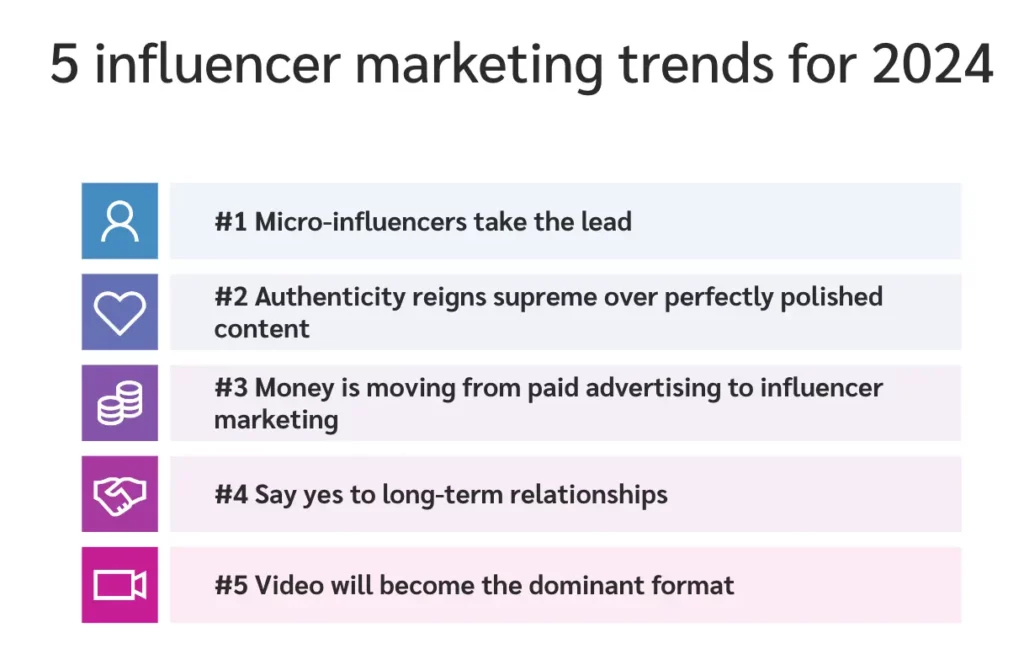
    Influencer marketing has evolved in the last 10 years — drastically.
    Gone are the days when businesses chased celebrities with millions of followers or relied only on mega-influencers for growth.

    Today, the most powerful marketing force is not the biggest influencers…
    but the smallest ones.

    They’re called:

    Nano Creators

    Creators with 500–10,000 followers who:
    ✔ Create high-trust content
    ✔ Have real engagement
    ✔ Deliver UGC
    ✔ Convert better than influencers
    ✔ Cost less
    ✔ Act like real customers

    In 2025 and beyond, nano creators will become the backbone of brand storytelling, UGC production, and performance advertising.

    Let’s break down why nano creators matter more than ever.


    ⭐ 1. Nano Creators Have the Highest Trust

    People trust small creators more than influencers.

    Why?

    Because:

    ✔ They look real
    ✔ They feel relatable
    ✔ Their content feels personal
    ✔ They interact with followers
    ✔ Their audience knows them closely

    Nano creators don’t “perform” for fame.
    They create because they enjoy it.

    And people trust them like friends — not celebrities.

    This trust converts into sales.


    ⭐ 2. Nano Creators Produce Authentic UGC (Which Converts Better Than Influencer Content)

    Nano creators are often:

    • Students
    • Working professionals
    • Young parents
    • Fitness enthusiasts
    • Everyday consumers

    They don’t over-edit their content.
    They don’t use heavy filters.
    They don’t sound like ads.

    Their videos are:

    ✔ Raw
    ✔ Honest
    ✔ Relatable
    ✔ Consumer-driven
    ✔ Story-first

    This is EXACTLY the type of content that works in ads.

    The highest ROAS today comes from:

    • Selfie-style videos
    • Honest reviews
    • Real product tests
    • POV experiences
    • Before–After videos

    Nano creators specialize in this naturally.


    ⭐ 3. Nano Creators Are Affordable — Yet Produce Powerful Results

    Brands often spend:

    ₹50,000+ for influencer posts
    ₹1,00,000+ for celebrity endorsements
    ₹2,00,000+ for studio shoots

    But nano creators deliver:

    ✔ Better engagement
    ✔ Better storytelling
    ✔ Better relatability
    ✔ Better conversions
    ✔ 10–50 times cheaper

    You can work with 10 nano creators for the cost of hiring one influencer — and get 10x the content.

    This helps brands:

    • Test more creatives
    • Produce more UGC
    • Scale ads faster
    • Reduce CAC
    • Increase ROAS

    ⭐ 4. Nano Creators Deliver Higher Engagement Rates

    Influencers with millions of followers often get:

    ❌ 1% engagement
    ❌ Low-quality comments
    ❌ Fake engagement
    ❌ Passive audiences

    Nano creators get:

    ✔ 7%–15% engagement
    ✔ Real viewers
    ✔ Active audiences
    ✔ Community-driven trust

    Because their audience actually cares about them.

    Higher engagement → better conversions → stronger brand impact.


    ⭐ 5. Nano Creators Are Perfect for Performance Marketing

    Brands don’t hire nano creators for “reach.”
    They hire them for:

    ✔ UGC
    ✔ Ads
    ✔ Creative angles
    ✔ Authentic reviews
    ✔ Consumer trust-building

    One high-performing nano creator video can become:

    • A Facebook ad
    • A TikTok ad
    • A YouTube Short
    • An Amazon listing video
    • A Meesho product demo
    • A website testimonial

    Nano creators are multi-purpose content machines.


    ⭐ 6. Nano Creators Fit Every Brand Type

    They work for:

    • D2C brands
    • E-commerce brands
    • Beauty & skincare
    • Fitness & wellness
    • Fashion & clothing
    • Accessories & lifestyle
    • Food & beverage
    • Tech & gadgets
    • Apps & SaaS
    • Courses & service businesses

    Nano creators deliver content that feels customer-first, which works universally.


    ⭐ 7. Nano Creators Are Easier to Work With

    Influencers =
    ❌ Agents
    ❌ Contracts
    ❌ Delays
    ❌ Revisions issues
    ❌ High expectations

    Nano creators =
    ✔ Easy communication
    ✔ Fast delivery
    ✔ Low cost
    ✔ Flexible
    ✔ Open to revisions
    ✔ Eager to collaborate

    Brands can build long-term partnerships effortlessly.


    ⭐ 8. Scale Happens Faster With Nano Creators

    Scaling ads requires volume of creatives, not just 1 big ad.

    Nano creators help brands produce:

    • 100+ videos per month
    • Many testing angles
    • Several voice profiles
    • Multiple storytelling styles

    This volume = faster winners = scalable ads.

    Nano creators help brands grow consistently.


    ⭐ 9. How Brands Can Start Working With Nano Creators

    (Without Wasting Time)

    Finding nano creators manually is difficult.

    You have to:

    • Search Instagram
    • DM creators
    • Chase them
    • Negotiate
    • Follow up
    • Manage deliveries

    It gets messy.

    That’s why modern brands use Creator Navigator.

    ⭐ Creator Navigator Helps Brands:

    ✔ Find nano creators instantly
    ✔ Hire pre-trained UGC creators
    ✔ Get raw + edited content fast
    ✔ Scale UGC production
    ✔ Reduce creator management headache
    ✔ Test 30–50 videos monthly
    ✔ Build a long-term creator network

    For any brand looking to work with nano creators efficiently —
    Creator Navigator is the smartest choice.


    Conclusion

    The future of marketing belongs to nano creators.

    They’re real.
    They’re affordable.
    They’re high-performing.
    They’re trustworthy.
    They’re scalable.

    Brands that build nano creator networks today will dominate tomorrow.

  • The Future of Social Media Content

    https://www.internetmatters.org/wp-content/uploads/2024/10/tech-and-kids-future-social-media-feature-2.webp
    https://www.loomly.com/hubfs/2025%20SOCIAL%20MEDIA%20TRENDS.jpg
    https://www.speridian.com/wp-content/uploads/2019/07/next-gen.jpg

    Social media is changing faster than ever.
    What worked in 2020 doesn’t work in 2025.
    The formats people consumed yesterday are not the same today.
    The attention span, the algorithm behavior, the content discovery system — everything is evolving.

    But one thing is clear:

    👉 We are entering a new era of social media content — raw, real, fast, and creator-driven.

    In this blog, we’ll break down:
    ✔ How content is evolving
    ✔ Why today’s attention economy is different
    ✔ What new formats will dominate
    ✔ The rise of creator networks
    ✔ Why traditional marketing is dying
    ✔ How brands must adapt
    ✔ And how tools like Creator Navigator fit into the future

    This is your roadmap to the next generation of social media.


    1. The Era of Raw & Real Content Is Just Beginning

    https://www.threegirlsmedia.com/wp-content/uploads/2022/04/authenticity-in-social-media-featured-image-scaled.jpg
    https://i.ytimg.com/vi/NQHhNs0YcoE/sddefault.jpg
    https://cdn.taggbox.com/v7/ugc101.com/wp-content/uploads/2023/11/Display-UGC-Ads.png

    Highly edited videos, cinematic shoots, and polished brand visuals are losing power.

    Today’s audience prefers:

    ✔ Raw selfies
    ✔ Phone-shot videos
    ✔ Unfiltered opinions
    ✔ Behind-the-scenes moments
    ✔ Daily-life style storytelling

    Why? Because trust is the new currency in marketing.

    People don’t trust perfection.
    People trust people.

    Social media in the future will reward authenticity more than aesthetics.

    Brands that still rely on “studio-perfect” content will fade.
    Brands that embrace UGC-style content will grow.


    2. Short-Form Video Will Dominate (But With a Twist)

    Short-form is not going away — in fact, it is becoming the core format of social media content.

    BUT the future of short-form will look different:

    ✔ Less trending sounds

    ✔ More storytelling

    ✔ More voiceovers

    ✔ More text-on-screen

    ✔ More “talking to camera”

    ✔ More educational micro-content

    ✔ More raw opinions

    ✔ More honest reviews

    People want information + entertainment, not just 5-second dopamine hits.

    Short-form is shifting from viral to valuable.


    3. Creators Will Replace Influencers

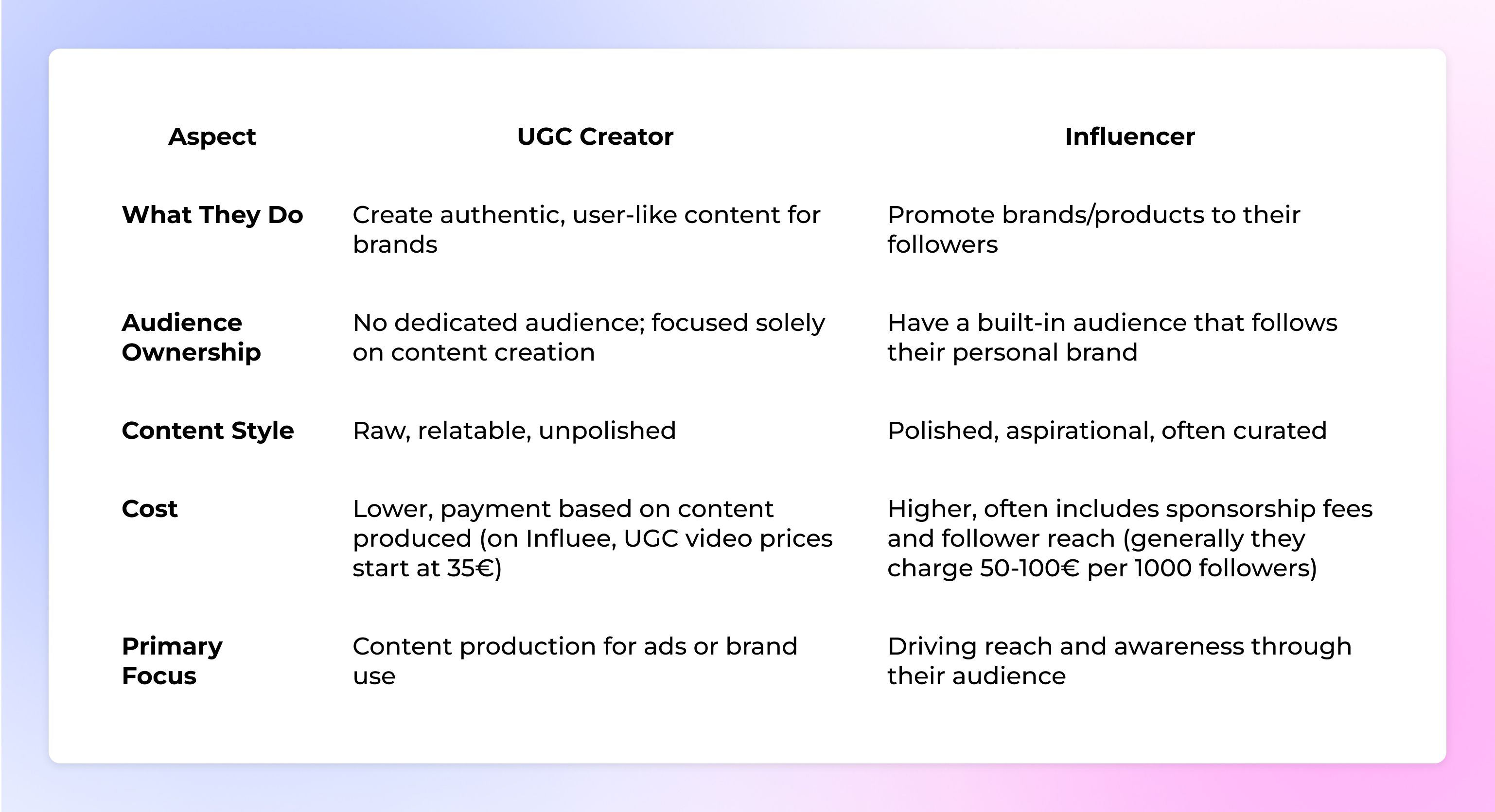
    Influencer marketing is evolving.

    Influencers = audience + fame
    Creators = skill + storytelling + performance

    Brands will prefer creators over influencers because:

    • Creators produce high-quality UGC
    • Creators understand camera angles, hooks, trends
    • Creators create content for ads
    • Creators understand marketing psychology
    • Creators are affordable
    • Creators generate higher ROAS

    Influencers depend on followers.
    Creators depend on skill.

    The future belongs to creators, not influencers.

    (This is exactly why platforms like Creator Navigator are becoming essential in the content ecosystem.)


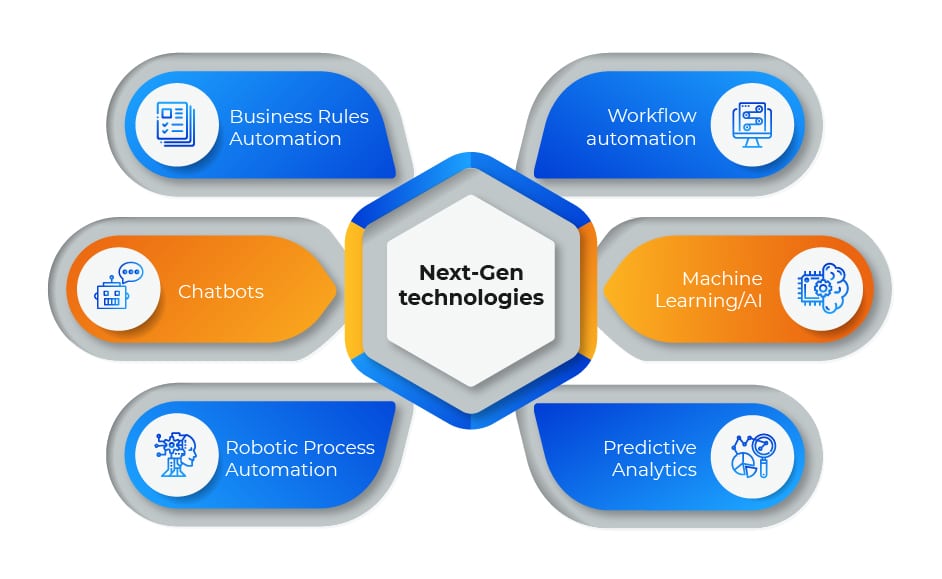
    4. AI + Human Content Collaboration Will Explode

    AI is not replacing creators —
    AI is empowering creators.

    AI will help with:

    • Idea generation
    • Scriptwriting
    • Caption writing
    • Editing
    • Trend research
    • Voiceovers
    • Visual enhancement
    • Thumbnail analysis

    But the human element — natural expression, relatability, facial reactions — cannot be replicated.

    FUTURE FORMULA:

    AI + Creator + Raw Content = Maximum Impact

    Brands that learn how to use AI alongside UGC creators will dominate.


    5. Community-First Content Will Replace Algorithm-First Content

    Previously, creators made content for the algorithm.
    Now the shift is toward:

    ✔ Content that builds long-term community
    ✔ Content that creates trust
    ✔ Content that educates
    ✔ Content that converts without selling
    ✔ Content that retains viewers

    Retention > Reach
    Connection > Virality
    Relationships > Trends

    Algorithms will prioritize:
    → Watch time
    → Saves
    → Shares
    → Depth of engagement

    Not just views.

    Brands that invest in community-driven content will win big.


    6. The Rise of “Face-First” Brand Content

    Brands are slowly realizing:

    “Nobody trusts logos. People trust faces.”

    The biggest upcoming trend:
    Founders becoming creators.
    Employees becoming creators.
    Customers becoming creators.

    Brands will rely on:

    • Founder-led content
    • Expert-led content
    • Employee-led behind-the-scenes
    • Customer-recorded UGC
    • Creator-generated educational content

    The faceless brand era is ending.
    Social media wants human presence.


    7. UGC Will Become the #1 Sales Driver for Brands

    Look at any viral ad today — 90% of them look like this:

    • A person talking to the camera
    • A natural product demo
    • A personal story
    • A “I tried this and…” format
    • POV-style reviews
    • Honest experiences

    This trend will multiply in 2025 and beyond.

    UGC = Trust
    Trust = Sales
    Sales = Scaling

    Brands that want to grow MUST build a dedicated UGC pipeline.

    This is where Creator Navigator becomes extremely powerful — it provides brands access to skilled UGC creators at scale, helping them stay ahead of the content curve.


    8. The “Content Velocity” Era: Brands That Post More Will Win More

    Earlier, posting once a day was enough.
    Now the rule is:

    More = More

    More content =
    → More hooks
    → More angles
    → More reach
    → More testing
    → More feedback
    → More conversions
    → More ROI

    Brands will need to publish 30–100 pieces of content every month.

    This is only possible with:

    ✔ UGC creators
    ✔ AI tools
    ✔ Creator networks
    ✔ Outsourced content teams
    ✔ Scalable pipelines

    Content velocity will define the winners.


    9. Educational Content Will Become the Most Powerful Content Type

    People crave:

    • Solutions
    • Explanations
    • Breakdowns
    • Tutorials
    • Honest advice
    • Step-by-step guidance

    Educational content builds authority, trust, and virality — all at once.

    Brands that master EDUCATION + STORYTELLING will dominate social media.


    10. The Future of Content Is Multi-Platform, Not Single-Platform

    The “Instagram-only” era is over.

    Content that wins in the future will be repurposed across:

    • Instagram
    • Facebook
    • TikTok
    • YouTube Shorts
    • LinkedIn
    • Twitter
    • Pinterest
    • WhatsApp Channels

    1 video → 7 placements.
    1 idea → 10 posts.

    Brands need systems, pipelines, and creators who can produce multi-format content.


    How Brands Should Prepare for the Future (Practical Plan)

    Here’s the future-proof content strategy:

    ✔ Step 1: Build a Creator Network

    Your brand must work with 10–50 creators monthly.

    ✔ Step 2: Invest in UGC

    The most scalable content format.

    ✔ Step 3: Increase content velocity

    More testing = More winners

    ✔ Step 4: Use AI for speed

    AI saves time → creators add authenticity.

    ✔ Step 5: Focus on storytelling

    Every video must have a hook → story → CTA.

    ✔ Step 6: Build community

    Long-term trust > short-term views.

    ✔ Step 7: Use multi-platform distribution

    Publish everywhere.


    Creator Navigator — The Most Important Tool for the Future

    As social media shifts toward:

    ✔ UGC
    ✔ Raw content
    ✔ Creator networks
    ✔ Content velocity
    ✔ Multi-platform publishing

    Brands will need a system to:

    • Find creators
    • Manage creators
    • Get raw & edited content
    • Scale creative production
    • Maintain consistency
    • Test dozens of videos monthly

    This is exactly what Creator Navigator is built for.

    It’s the future-friendly solution that helps brands create high-quality UGC, build creator networks, and stay ahead of every social media trend.

    If you want to future-proof your marketing, Creator Navigator is a must-have tool.


    Conclusion

    The future of social media content is:

    ✔ Real
    ✔ Fast
    ✔ Human
    ✔ Raw
    ✔ UGC-driven
    ✔ Creator-powered
    ✔ Community-first
    ✔ AI-supported

    Brands that understand this shift today will dominate tomorrow.

    Brands that ignore it…
    will disappear.
  • The Secret Behind Ads That Scale Consistently

    https://cdn.prod.website-files.com/614b3e8cafbd9789234c277e/616ed16d11ac9aad0b1458ed_Horizontal-scaling-of-Facebook-ad-campaigns-infographic-1.png
    https://media.licdn.com/dms/image/v2/D5612AQGPumQs00qWMw/article-cover_image-shrink_600_2000/B56ZhNAw7vG4AU-/0/1753638707342?e=2147483647&t=5DvDQe2_3HDzUw8GHgE_RVdN8sCP5hAW4_oIQ5KX8fw&v=beta
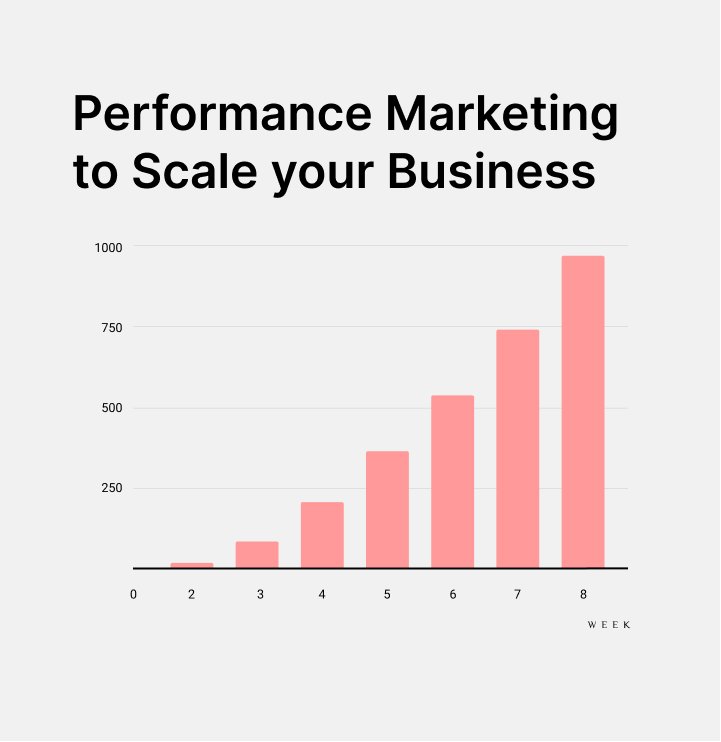
    https://images.squarespace-cdn.com/content/v1/612581d073be8947306c77cd/d7b057f7-5b2f-4cdb-9886-aaa1d1927592/Performance%2BMarketing%2Bto%2BScale%2BBusiness%2B%7C%2BLauncher%2BLab

    Every business wants the same thing from advertising:
    consistent performance + scalable results.

    But here’s the truth most marketers won’t admit…

    👉 Scaling ads is NOT about increasing the budget.
    👉 Scaling ads is NOT about duplicating ad sets.
    👉 Scaling ads is NOT about changing targeting.

    These things help… but they are NOT the real reason ads scale.

    The REAL secret to consistently scaling ads is:
    Creative that keeps working, week after week.

    Not targeting.
    Not budget tricks.
    Not “hacks.”

    It’s creative — and more importantly, a system for producing high-converting content at volume.

    Let’s break down the full strategy behind ads that scale consistently for months.


    1. Scaling Starts With Creative, Not Targeting

    Performance marketers used to win by:

    • Finding cheap audiences
    • Using interest stacking
    • Doing lookalikes
    • Retargeting heavy

    But in 2025, Facebook’s algorithm is smarter than all of this.

    Now, the algorithm rewards relevant content, not complex targeting.

    The NEW formula:

    Great Creative → More Attention → Better Results → Lower Cost → Easier Scaling

    This is why Meta themselves publicly announced:

    “Your creative is now the No. 1 factor in ad performance.”

    (And it’s the No. 1 factor in ad fatigue too.)


    2. Scaling Ads = Scaling Creatives, Not Ad Sets

    Scaling doesn’t mean:
    ❌ Increasing budget from ₹500 to ₹5,000
    ❌ Duplicating the ad set 10 times
    ❌ Analyzing micro-targeting hacks

    Scaling means:
    ✔ Testing more creatives
    ✔ Testing more hooks
    ✔ Testing more angles
    ✔ Testing more formats
    ✔ Testing more UGC videos
    ✔ Refreshing content weekly

    If you have ONE winning creative, you can scale 5× effortlessly.

    If you have ZERO winning creatives, no amount of budget helps.


    3. The Secret: “Creative Angles” Are More Important Than Creators

    Most people test creators.
    High-performing brands test angles.

    Example of Creative Angles:

    ANGLE 1: Problem → Solution
    “Struggling with hair fall? Try this…”

    ANGLE 2: Story-Based
    “I wasted ₹5,000 on products until I found this…”

    ANGLE 3: Demo
    “Watch how this cleans in 10 seconds…”

    ANGLE 4: Comparison
    “Here’s why this is better than ___…”

    ANGLE 5: Scientific Explanation
    “It works because it contains ___…”

    ANGLE 6: Testimonial
    “This actually reduced my bloating…”

    One product = 20–40 creative angles possible.

    The more angles you test →
    the more winning ads you find →
    the easier scaling becomes.


    4. Scaling Requires a “Creative Pipeline” — Not Random Content

    A creative pipeline is a system that ensures your brand always has:

    ✔ New UGC content
    ✔ New hooks
    ✔ New scripts
    ✔ New formats
    ✔ New angles
    ✔ New ad variations
    ✔ New versions of winning ads
    ✔ New creators
    ✔ New experiments

    The brands that scale spend 70% of their energy NOT on ads…
    but on content production + creative testing.

    This is why D2C giants like Mamaearth, WOW Skin Science, Beardo, and Sugar Cosmetics work with hundreds of creators every month.

    They don’t wait for one miracle video.
    They build a pipeline.


    5. Frequency & Fatigue: Why Ads Die and Stop Scaling

    Even the best ad eventually dies due to:

    • Audience fatigue
    • Creative saturation
    • Repetitiveness
    • Decreasing novelty
    • Competition copying the angle
    • Higher CPMs

    Ads die.
    But creative systems do not.

    To scale, you must refresh creative every 5–15 days.

    ⚠️ If your creative isn’t refreshed, scaling will fail every time.


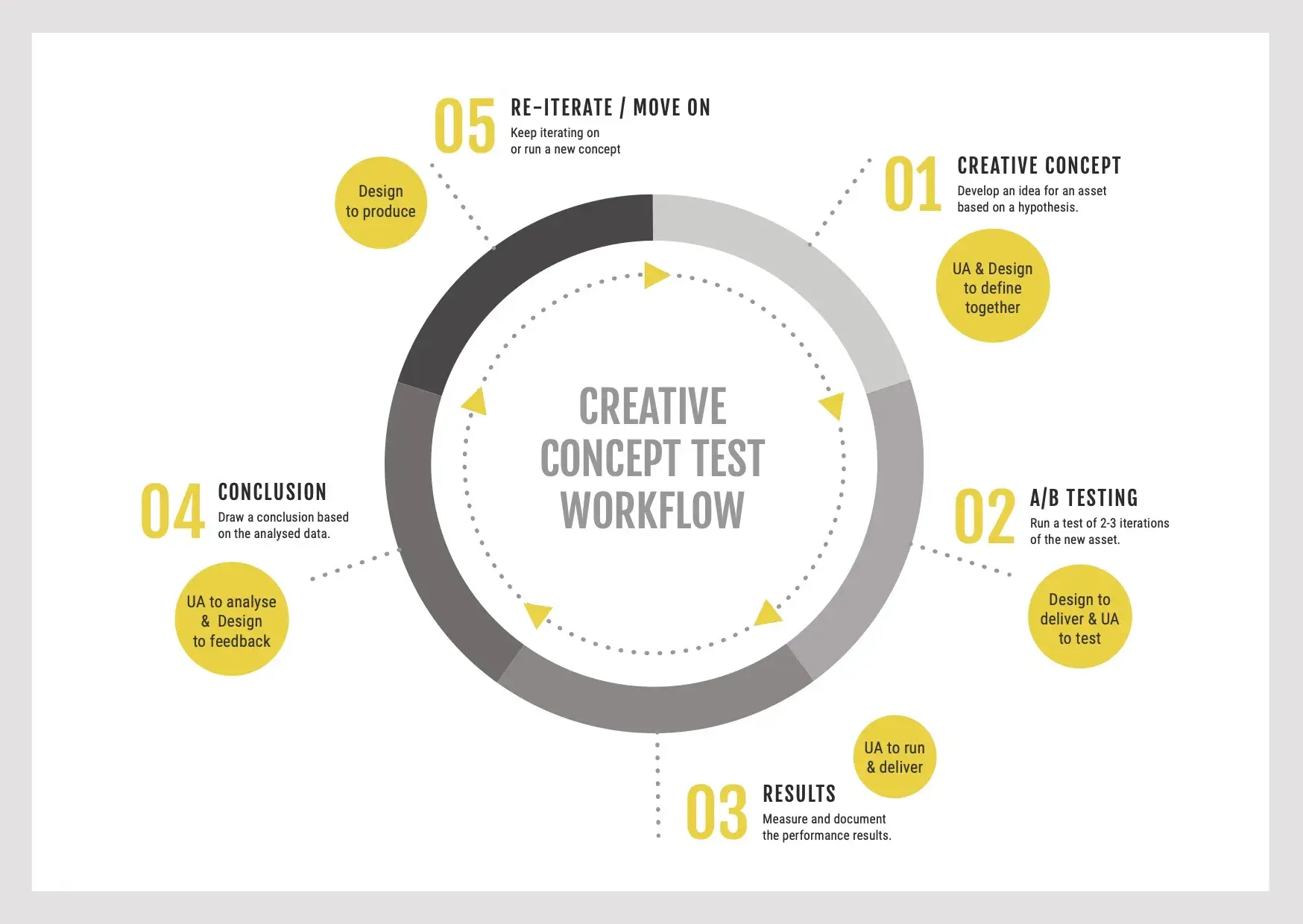
    6. The “Scaling Loop” Used by High-Performing Brands

    Here is the real formula:

    https://appagent.com/wp-content/uploads/2025/01/creative-testing-workflow-loop.webp
    https://nogood.io/wp-content/uploads/2024/05/1_fBm4NNNM-1.png
    https://b1965893.smushcdn.com/1965893/wp-content/uploads/2025/03/How-to-Use-UGC-in-Your-Meta-Advertising_-A-Comprehensive-Guide-visual-selection-3.png?lossy=2&strip=1&webp=1

    STEP 1 — Test 5–10 hooks

    Find what stops the scroll.

    STEP 2 — Test 3–5 formats

    Test:

    • Testimonial
    • Problem-solution
    • Demo
    • Story
    • Unboxing

    STEP 3 — Identify winners

    Look for high CTR + low CPC + high ATC.

    STEP 4 — Scale horizontally

    Duplicate winning creatives with:

    • New audiences
    • Broad targeting
    • Multiple placements

    STEP 5 — Scale vertically

    Increase budgets slowly (20–30%).

    STEP 6 — Refresh weekly

    Add new scripts, angles, UGC, hooks.

    STEP 7 — Start again

    Never stop the loop.

    This loop is the real secret behind consistent scaling.


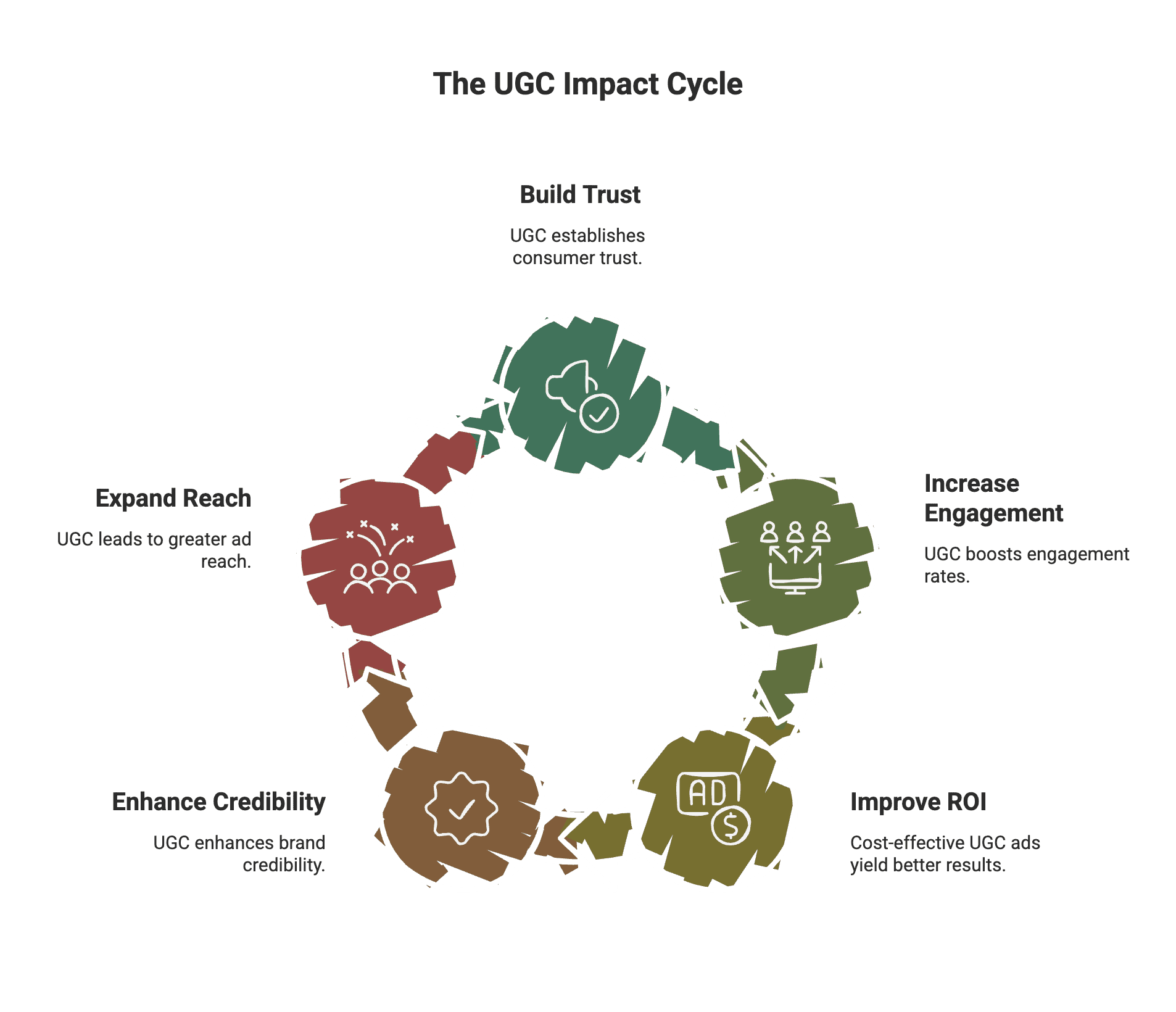
    7. Why UGC Is the MOST Scalable Creative Format

    UGC outperforms studio ads for one simple reason:

    UGC feels real.
    Studio ads feel fake.

    Ads that scale are:

    • Raw
    • Honest
    • Relatable
    • Human
    • Story-driven
    • Emotion-driven

    UGC also allows fast content production.
    You can shoot 20 UGC videos in the time it takes to shoot 1 studio ad.

    UGC = volume
    Volume = more testing
    More testing = more winners
    More winners = scaling

    This is why 90% of D2C brands now rely heavily on UGC for scaling.


    8. The Biggest Mistake Brands Make While Scaling Ads

    Brands think:

    “Let’s increase budget.”

    But increasing the budget ONLY works when:

    ✔ Creative is strong
    ✔ Hook is strong
    ✔ Angle is strong
    ✔ Product-market fit exists
    ✔ Conversion rate is good
    ✔ Landing page is optimized
    ✔ UGC is relatable

    Without these →
    Scaling burns money instead of printing money.


    9. The Untold Truth: Scaling Ads = Scaling PEOPLE (Creators)

    To produce 20–40 fresh creatives each month…
    you need:

    • More creators
    • More styles
    • More personalities
    • More scripts
    • More variations

    The problem?

    ❌ Finding creators is difficult
    ❌ Beginners don’t understand ad psychology
    ❌ Many creators deliver “aesthetic” content, not “conversion content”
    ❌ Managing multiple creators is time-consuming

    That’s why brands that scale consistently use professional UGC pipelines instead of random creators.


    10. How to Build a Scalable UGC Pipeline (Recommended Tool)

    If you want ads that scale EVERY month…
    you need a steady supply of high-quality UGC.

    Manually finding creators → slow
    Hiring influencers → expensive
    Working with agencies → restrictive

    But the easiest method is:

    👉 Creator Navigator

    A platform built specifically for:

    ✔ Finding UGC creators
    ✔ Getting multiple videos fast
    ✔ Testing wide variety of creative angles
    ✔ Managing creators easily
    ✔ Receiving raw + edited content
    ✔ Building a scalable creative pipeline
    ✔ Reducing creative fatigue
    ✔ Scaling ads consistently

    In short…

    Scaling ads = scaling UGC = scaling creators = scaling revenue.

    Creator Navigator makes this system plug-and-play.


    Conclusion: Scaling Isn’t Luck — It’s a System

    Most brands think scaling is magic.
    But it’s not.

    Scaling ads is the result of a consistent creative system, not random success.

    To scale ads successfully:

    ✔ Test hooks
    ✔ Test angles
    ✔ Test UGC
    ✔ Refresh weekly
    ✔ Produce volume
    ✔ Work with creators
    ✔ Follow the scaling loop
    ✔ Track metrics
    ✔ Optimize funnel

    And use tools like Creator Navigator to ensure a steady flow of high-converting UGC.

    Scaling ads is not difficult when you follow the system.

  • The 5-Step UGC Script That Works Every Time

    https://i.ytimg.com/vi/yKOtxvDBQyg/hq720.jpg?rs=AOn4CLBY80KnZLDqsHsfUHHipHyVLarlww&sqp=-oaymwEhCK4FEIIDSFryq4qpAxMIARUAAAAAGAElAADIQj0AgKJD
    https://cdn.prod.website-files.com/62c13e3f6b7368df73c0dfa7/62c751f7e4835405f6d4ed9e_6126d2b604a078960e8ac314_UGCPie_f8184f624ccc6a553930d8da37fd0abd_800.jpeg
    https://cdn.prod.website-files.com/6764844d565a6a188776ae6a/67bd45951ae50a34c2edd448_The%20Complete%20Guide%20to%20UGC%20Ads%20-%20JC%20DIGITAL.png

    UGC (User-Generated Content) has transformed how brands communicate, advertise, and convert customers. Whether it’s a D2C brand, skincare product, fitness supplement, SaaS tool, or service-based business — UGC is the new king of trust-building content.

    But here’s the problem:

    ❌ Most UGC creators don’t follow any structure
    ❌ Brands get random videos with no direction
    ❌ Creators shoot aesthetic clips but forget sales psychology
    ❌ Videos look good but don’t convert
    ❌ Brands waste money boosting non-performing UGC

    Winning UGC isn’t about beauty, filters, transitions, or perfect lighting.
    Winning UGC is about structured communication.

    And the structure that works best is a simple, repeatable, high-conversion script called:

    “The 5-Step UGC Script”

    This script is used by top-performing ads globally.
    It has generated millions in revenue for D2C brands.
    It works for ANY product.
    It works EVEN IF the creator is a beginner.

    Let’s break it down step by step.


    STEP 1: THE HOOK — Stop The Scroll in 2 Seconds

    https://www.trustugc.com/post-covers/ugc-hooks-examples.jpg
    https://imgproxy.divecdn.com/vpHXaHVUrPhzbe4qykm9_4H-WQhRQb34R0_wPjzSowA/g%3Ace/rs%3Afit%3A1600%3A0/Z3M6Ly9kaXZlc2l0ZS1zdG9yYWdlL2RpdmVpbWFnZS9yZWVsc19ob29rczEucG5n.webp
    https://socialbu.com/blog/wp-content/uploads/2023/03/fILE-22-02-scaled.jpg

    The hook is the most important part of your UGC.
    If you fail here, the viewer scrolls, and everything else becomes useless.

    A strong hook must:

    ✔ Call out a problem
    ✔ Create curiosity
    ✔ Speak directly to the viewer
    ✔ Match the audience’s desire
    ✔ Feel natural, not scripted

    High-Converting Hook Formats:

    • “If you have ___, you NEED this.”
    • “I wasted money on everything until I found this…”
    • “I’m shocked this actually worked…”
    • “STOP scrolling if you struggle with ___.”
    • “I didn’t expect this, but…”
    • “This completely changed my ___.”

    Example Hooks:

    For skincare:
    “If your skin gets oily in 3 hours, listen…”

    For fitness:
    “Here’s how I finally fixed my bloating…”

    For accessories:
    “This bag solved my daily headache…”

    Why Hooks Work

    Because TikTok, Instagram, and Facebook decide distribution based on the first 3 seconds of watch time.
    If your video captures attention instantly → the algorithm pushes it → reach increases → conversion increases.


    STEP 2: PAIN POINT — Make the Viewer Feel Understood

    Once you hook them, you must make them say:
    “YES, that’s my problem.”

    This creates emotional resonance — the key to buying decisions.

    Pain Point Examples:

    For skincare:
    “My skin used to feel dry even after applying moisturizer.”

    For haircare:
    “No shampoo stopped my hair fall…”

    For health:
    “Every morning I woke up feeling bloated…”

    For bags/accessories:
    “My laptop bag always bulged and felt uncomfortable…”

    Why Pain Points Matter

    Because people don’t buy products…
    They buy solutions to their problems.

    When the viewer sees their problem described EXACTLY as they feel it → they trust the creator → retention increases → likelihood to purchase increases.


    STEP 3: SOLUTION — Introduce the Product Naturally

    This is where you introduce the actual product.
    But do NOT make it sound like an ad.

    Avoid saying:
    “This is the best product ever!”
    “This works like magic!”

    Consumers don’t trust exaggeration.
    They trust realistic improvements.

    How to Introduce the Product (High-Converting Method)

    • Show the packaging
    • Show how you use it
    • Mention ONE key benefit
    • Keep it casual

    Example Scripts:

    For skincare:
    “So I started using this moisturizer from ___. It absorbs so quickly and actually keeps my skin hydrated.”

    For food:
    “This protein shake tastes good AND doesn’t upset my stomach.”

    For gadgets:
    “This powerbank literally charges my phone 3 times.”

    Keep it simple.

    Keep it believable.
    Keep it personal.


    STEP 4: PROOF — Show Evidence, Not Claims

    This is the section that makes the difference between a good UGC video and a high-converting UGC video.

    People don’t trust words.
    They trust proof.

    What counts as proof?

    ✔ Before-after shots
    ✔ Demonstration
    ✔ Close-up of texture / product
    ✔ Real usage
    ✔ Screenshots
    ✔ Honest reaction
    ✔ Real testimonial
    ✔ Voiceover explaining experience
    ✔ Comparisons (“I tried other products… this worked better because…”)

    Examples:

    Skincare:
    “Here’s my skin in week 1 vs week 4.”
    “Look how quickly it absorbs.”

    Fitness:
    “My bloating reduced within 10 days — see this.”

    Haircare:
    “My comb used to look like this… now there’s less breakage.”

    Gadgets:
    “Here’s a before and after charging test.”

    Why Proof Works

    Proof triggers trust.
    Trust triggers buying.
    Buying triggers ROAS.


    STEP 5: CTA — Tell Them What To Do Next

    This is where many UGC creators fail.

    They end the video with:
    “Yeah that’s it!”
    or
    “It’s good, you should try.”

    WRONG.

    A high-converting UGC ALWAYS ends with a CRYSTAL-CLEAR CTA.

    Strong CTAs:

    • “Tap the link to try it yourself.”
    • “Use my code for a discount.”
    • “Grab it before stock runs out.”
    • “If you want ___, this is your sign.”
    • “Check the link — it’s worth it.”

    The CTA should be:

    ✔ Short
    ✔ Direct
    ✔ Urgent
    ✔ Benefit-driven

    Without a CTA → viewers don’t buy.
    With a CTA → conversions jump 30%+.


    The Full 5-Step UGC Script (Copy This)

    Here is the exact script that ALWAYS works:

    1️⃣ HOOK: Stop scroll
    2️⃣ PAIN POINT: Connect emotionally
    3️⃣ SOLUTION: Introduce product naturally
    4️⃣ PROOF: Show real evidence
    5️⃣ CTA: Tell them what to do next

    This script works for:

    ✔ Skincare
    ✔ Cosmetics
    ✔ Beauty
    ✔ Fashion
    ✔ Health & fitness
    ✔ Food & beverage
    ✔ D2C products
    ✔ Digital products
    ✔ Services
    ✔ Apps and SaaS

    This script has created thousands of top-performing ads worldwide.


    Why Most Creators Fail Even With This Script

    You can hand this script to 10 creators…
    Only 2 will make high-converting content.

    Why?

    Because high-performing UGC requires:

    • Confidence
    • On-camera comfort
    • Real storytelling
    • Natural delivery
    • Hook mastery
    • Marketing knowledge
    • Voice modulation
    • Product understanding

    Most creators know how to shoot…
    But not how to sell.

    Which is why brands struggle to find true performance UGC creators.


    How to Find Creators Who Can Use This Script (Recommended Tool)

    If you want creators who understand:

    ✔ Hook psychology
    ✔ Pain point communication
    ✔ Script structuring
    ✔ Storytelling
    ✔ Ad psychology
    ✔ Retention editing
    ✔ Call-to-action framing

    Then manual searching on Instagram or DM outreach is not enough.

    That’s where Creator Navigator comes in.

    👉 Creator Navigator helps brands:

    • Find trained, pre-vetted UGC creators
    • Send product + script easily
    • Get high-converting UGC at scale
    • Build long-term creator partnerships
    • Access raw + edited content
    • Reduce production cost
    • Test many UGC variations fast

    If you want UGC that not only looks good but converts, Creator Navigator is one of the best platforms to use.


    Conclusion

    UGC works only when it follows a structure.
    This 5-step script is simple, proven, and powerful.

    It helps:

    ✔ UGC creators produce better videos
    ✔ Brands increase conversions
    ✔ Marketers reduce CPC
    ✔ Ads scale faster
    ✔ Content feel natural and relatable

    The next time you create or order UGC…

    Follow the script:

    HOOK → PAIN → SOLUTION → PROOF → CTA.

    It works.
    Every time.

  • The Difference Between Good UGC and High-Converting UGC

    https://cdn.taggbox.com/v7/taggbox.com/blog/wp-content/uploads/2019/11/ugc-examples.png
    https://cdn.prod.website-files.com/6764844d565a6a188776ae6a/67bd45951ae50a34c2edd448_The%20Complete%20Guide%20to%20UGC%20Ads%20-%20JC%20DIGITAL.png
    https://influeewebsitestorage.b-cdn.net/images/plg7gvpb/production/3bbb945596ea5542d851dcf90a9655fc5e82b05f-3075x1671.jpg

    User-Generated Content (UGC) has taken the digital world by storm.
    Every brand — from skincare to fitness to fashion to tech — is using UGC to build trust, reduce ad costs, and increase conversions.

    But here’s the hard truth:

    Not all UGC is equal.
    There is good UGC… and then there is high-converting UGC — the kind that actually brings sales, reduces CPC, increases ROAS, and makes ads scale profitably.

    Most creators and brands don’t understand the difference.
    They focus on aesthetics, camera quality, trending sounds, or transitions — none of which necessarily increase conversions.

    If you’re a brand, creator, marketer, or D2C founder, this blog will help you understand:

    • What makes UGC truly “good”
    • What makes UGC convert
    • How to transform simple videos into highly profitable content
    • How to find creators who can deliver high-converting UGC

    Let’s break it down with clarity.


    1. Good UGC Looks Nice — High-Converting UGC Drives Action

    Most UGC creators focus on the wrong priorities:

    • Good lighting
    • Nice background
    • Clean aesthetics
    • Trendy music
    • Makeup & styling

    These things matter, but they don’t convert on their own.

    High-converting UGC focuses on one thing: persuading the viewer to take action.

    It uses intentional:

    • Hooks
    • Emotions
    • Pain points
    • Solutions
    • Proof
    • Clear CTAs

    High-converting UGC is not created to impress —
    it’s created to influence.


    2. Good UGC Shows the Product — High-Converting UGC Shows the Transformation

    This is the biggest mistake in UGC:

    Creators show the product instead of the result.

    Good UGC:

    • “This is a nice moisturizer.”
    • “This bag looks premium.”
    • “This massager feels good.”

    High-Converting UGC:

    • “My skin stopped flaking after 3 days.”
    • “I travel daily and this bag finally fits everything.”
    • “I sleep better because my back pain is almost gone.”

    People don’t buy products.
    They buy outcomes.

    If your UGC doesn’t show transformation, it won’t scale.


    3. Good UGC Talks — High-Converting UGC Hooks in First 2 Seconds

    The first 2 seconds decide everything.

    If the viewer scrolls, the video is dead.

    A Good UGC Hook:

    “Hey guys, today I want to show you this amazing product…”

    (Dead on arrival.)

    A High-Converting UGC Hook:

    • “If your skin gets oily in 2 hours, listen…”
    • “I wasted ₹10,000 trying to fix this — until I found this…”
    • “Here’s the only thing that worked after 30 days…”
    • “STOP scrolling if you have hair fall…”

    These hooks stop the scroll because they target:

    ✔ Pain
    ✔ Curiosity
    ✔ Gaps
    ✔ Desire

    High-converting UGC grabs instant attention.


    4. Good UGC Reviews — High-Converting UGC Tells a Story

    The human brain remembers stories, not product features.

    A Good UGC Review:

    “It’s really nice, it works well, I liked it.”

    A High-Converting UGC Story:

    “I bought this because nothing else worked. I was honestly skeptical, but after 7 days I started noticing ___… Today, my skin feels ___ and I finally stopped ___.”

    A story has:

    • A beginning (the problem)
    • A middle (what didn’t work)
    • A turning point (discovery)
    • An ending (transformation)

    Stories build trust → trust triggers conversions.


    5. Good UGC Uses the Product — High-Converting UGC Shows Real Proof

    Today, viewers don’t believe words.
    They believe evidence.

    High-converting UGC includes:

    • Before-after photos
    • Text overlays
    • Demonstrations
    • Close-ups
    • Comparison shots
    • Screenshots
    • Real results

    If someone sees proof, they believe.

    If they believe, they buy.


    6. Good UGC Looks Aesthetic — High-Converting UGC Is Raw, Real, Relatable

    The truth?

    Raw videos convert more than polished, aesthetic videos.

    Why?

    Because they feel like recommendations from real people.

    High-converting UGC often includes:

    • Unfiltered clips
    • Natural lighting
    • Phone-shot audio
    • Imperfect backgrounds
    • Real expressions
    • Honest emotions

    This creates authenticity, the most powerful trigger in 2025.


    7. Good UGC Talks About Features — High-Converting UGC Focuses on Benefits

    Features = what product is
    Benefits = how product changes your life

    High-converting UGC ALWAYS highlights benefits, not features.

    Example — Skincare Moisturizer:

    Feature:
    Contains hyaluronic acid.

    Benefit:
    Keeps your skin hydrated for 8 hours even in winter.

    Example — Bag:

    Feature:
    Extra compartment.

    Benefit:
    You can carry laptop + charger + bottle without the bag bulging.

    Benefits = conversions.


    8. Good UGC Ends Softly — High-Converting UGC Ends with a Strong CTA

    Weak CTAs destroy sales.

    Weak CTA:

    “Check it out if you want.”

    Strong CTAs:

    “Use this link before stock runs out.”
    “If this is your problem, try this immediately.”
    “Order now — you’ll thank me later.”
    “Tap the link and fix this today.”

    If you don’t tell the viewer what to do → they won’t do it.

    High-converting UGC guides the viewer clearly toward action.


    9. Good UGC Is Random — High-Converting UGC Follows a Proven Formula

    High-converting UGC usually follows a structure like:

    1. Hook
    2. Problem
    3. Build Desire
    4. Solution (product)
    5. Proof
    6. Transformation
    7. CTA

    This step-by-step structure is what ensures results.

    Random content rarely scales.
    Structured UGC does.


    10. How to Turn Good UGC Into High-Converting UGC (Even If You’re a Beginner)

    To create winning content consistently:

    • Use storytelling
    • Use hooks
    • Use proof
    • Use real experience
    • Focus on results
    • Speak casually
    • Avoid over-editing
    • Use short sentences
    • Keep videos 10–25 seconds
    • Test 10+ hooks
    • Add text overlays
    • Add CTA

    High-converting UGC is not difficult — it’s about understanding marketing psychology.


    11. The Real Reason Most UGC Fails (Few Creators Understand Marketing)

    Most creators produce aesthetic content — not performance content.

    They don’t know:

    • Ads psychology
    • CTA frameworks
    • Story formulas
    • Problem-solution selling
    • Hook science
    • Retention editing
    • Offer positioning

    This is why 90% of UGC never scales in ads.

    Brands need creators who understand marketing, not just content.


    12. How to Find High-Converting UGC Creators (Recommended Tool)

    Finding creators who understand conversions is HARD.

    But you don’t need to search manually.

    👉 Creator Navigator
    is a dedicated platform where brands can:

    • Find trained UGC creators
    • Hire creators who understand hooks + storytelling
    • Get raw content made for ads
    • Build long-term creator networks
    • Reduce production cost
    • Get content that actually CONVERTS

    Most top D2C and service brands now rely on platforms like this to scale UGC production without guesswork.

    If you want high-converting, ad-ready UGC,
    Creator Navigator is one of the best places to start.


    Conclusion

    The difference between GOOD UGC and HIGH-CONVERTING UGC is simple:

    Good UGC looks nice.
    High-Converting UGC drives SALES.

    If you want better ROAS, lower CPC, higher trust, and scalable ads —
    choose UGC that:

    • Hooks
    • Persuades
    • Proves
    • Converts

    And if you want creators who can produce this quality,
    Using Creator Navigator is the fastest and smartest option.

  • In-House Team vs Agency — Which Is Best?

    https://firstpagesage.com/wp-content/uploads/2020/03/digital-marketing-agency-vs-in-house-1024x433.png
    https://cdn-ildogid.nitrocdn.com/VabzBiTezGFyXrrQINmytbNASLaMkbgD/assets/images/optimized/rev-f9e83d1/newpathdigital.com/wp-content/uploads/2022/04/In-House-Marketing-vs.-Agency-Which-One-Should-You-Hire.png
    https://refugemarketing.com/wp-content/uploads/2025/09/digital-marketing-agency-vs-in-house.png

    Every business eventually faces this question:
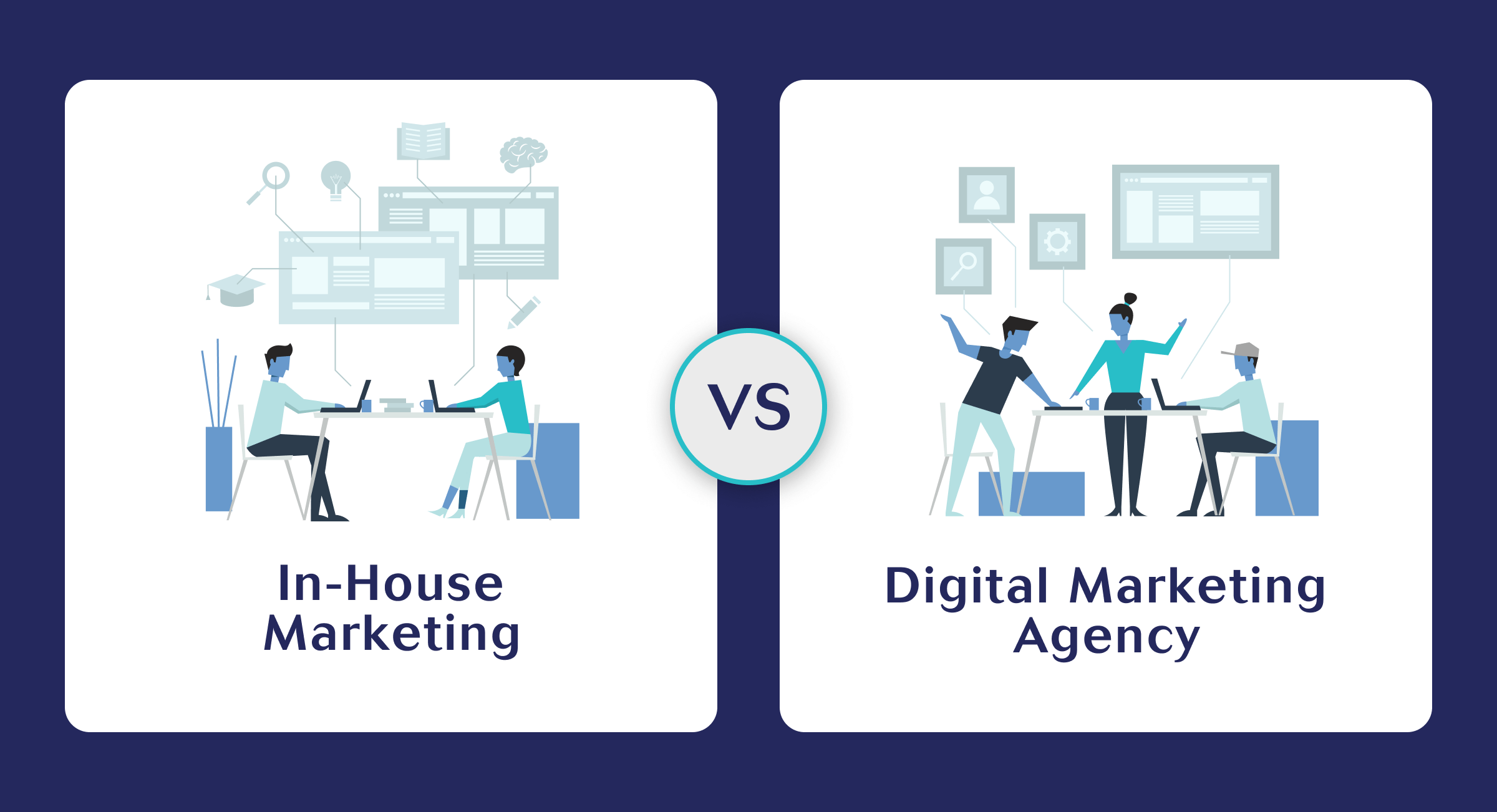
    Should we hire an in-house marketing team or work with an agency?

    Both options have advantages — and pitfalls.
    Let’s break this down with a clear, unbiased comparison.


    1. In-House Team — What It Means

    You hire people internally for:

    • Content creation
    • Editing
    • Ads
    • UGC
    • Graphic design
    • Social media
    • Strategy

    ✔ Pros

    • Full control
    • Faster decisions
    • Better brand understanding

    ✖ Cons

    • Expensive salaries
    • Limited skillset
    • Burnout risks
    • Hard to scale content

    2. Agencies — What They Offer

    An agency gives you:

    • Creative team
    • Ads team
    • Editing team
    • Strategy team
    • High production quality

    ✔ Pros

    • Expertise
    • Variety of skills
    • No HR cost
    • Fast project execution

    ✖ Cons

    • More expensive monthly
    • Not deeply involved in brand culture
    • Too many clients → divided attention

    3. Which One Is Best?

    If you need daily content → In-house team

    If you need expert campaigns → Agency

    If you need UGC → Both can use Creator Navigator to source creators

    If you want a balance → Hybrid model is best


    4. The Hybrid Formula (BEST Option)

    This is what top brands do:

    • 1–2 in-house people for daily posting
    • Agency for high-level strategy & ads
    • UGC creators for raw, authentic content

    Use platforms like Creator Navigator to fill the UGC content gap.


    Conclusion

    There is no “one perfect choice.”
    The right model depends on your goals, budget, and speed of growth.


  • 5 Content Mistakes That Are Killing Your Engagement

    https://pollackgroup.com/wp-content/uploads/2023/07/60e5eb31a10ebc7e137d96de_Low-Social-Media-Engagement-jpg.webp
    https://ebizfiling.com/wp-content/uploads/2023/01/Common-mistakes-done-in-Content-Marketing-1.jpg
    https://media.stormlikes.com/public/blog/storage/covers/articles/6-reasons-your-instagram-posts-dont-perform-well.jpg?v=1749114156

    Most businesses blame the algorithm for poor engagement.
    But in reality, 80% of the time —
    the content itself is the problem.

    Here are the most common mistakes that silently destroy reach, engagement, and conversions.


    1. Weak, Boring Hooks

    If your first 2 seconds are weak, NOTHING else matters.

    Bad hook = dead content.

    Hook mistakes:
    ❌ Starting with “Hey guys”
    ❌ No curiosity
    ❌ No problem
    ❌ Too long

    Fix:
    ✔ Start with a bold claim
    ✔ Start with a question
    ✔ Start with a pain point


    2. Talking About Yourself Too Much

    Customers don’t care about:

    • Your company
    • Your achievements
    • Your features

    They care about THEIR problems.

    Turn:
    ❌ “We have the best moisturizer…”
    Into:
    ✔ “If your skin feels dry even after applying cream, try this…”


    3. Over-Polished, Over-Edited Videos

    Perfect content feels fake.
    People want realness, not perfection.

    This is why UGC creators outperform influencers and agencies.

    If you don’t use UGC, you’re losing potential engagement.

    You can easily find creators through Creator Navigator, a platform built to help brands source real, high-converting UGC.


    4. No Clear CTA

    Your content should tell viewers what to do next:

    • Save
    • Share
    • Comment
    • Visit link
    • DM
    • Purchase

    If you don’t guide them → they do nothing.


    5. Posting Without Strategy

    Random content = random results.
    Winning content comes from:

    • Research
    • Trend analysis
    • Brand psychology
    • Testing hooks
    • Using UGC
    • Tracking metrics

    Consistency + direction beats luck.


    Conclusion

    Fix these 5 mistakes and watch your engagement, leads, and sales rise instantly

  • The Psychology Behind High-Converting Content

    https://uploads-ssl.webflow.com/5d60e5475bf4d8b84f20ecf3/63f36a424fd577b0e30f4c2e_consumer%20psychology.jpg
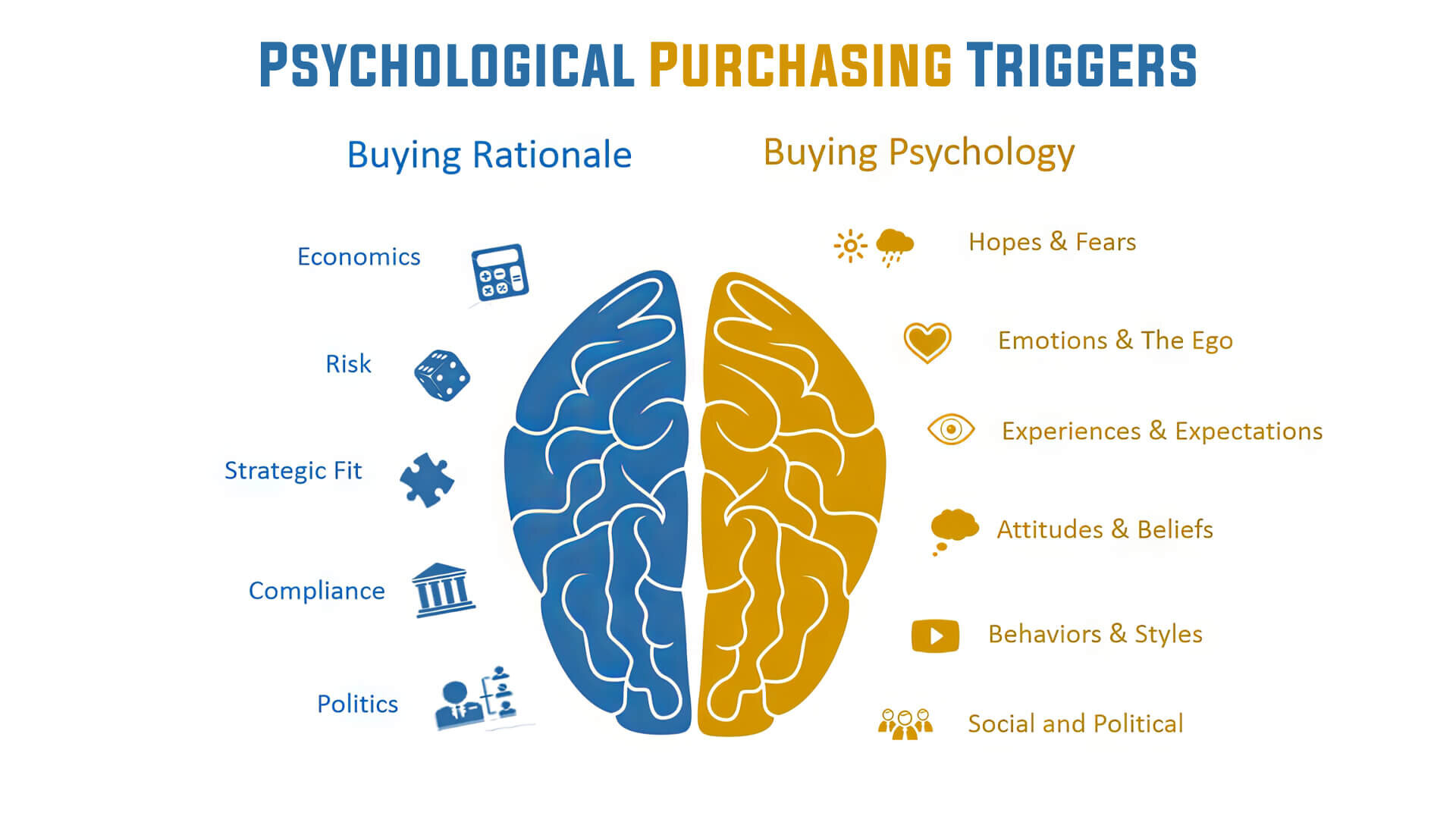
    https://zeve.au/sitecentre/uploads/2023/12/psychological-purchasing-triggers.jpg
    https://cdn.convertmate.io/images/blog/the-simple-formula-for-high-converting-product-titles_67f2d59fbba583171c240d72_66f5ca79b9f79b0d702bed58_Blog_2520-_2520Formula_2520for_2520High-Converting_2520Product_2520Titles_Strategic_2520Product_2520Availability_2025-08-25_18-50-26.jpeg

    INTRO ANGLE

    People don’t convert because the content is “good.”
    They convert because it triggers emotions, trust, and desire.


    Blog Structure

    1. What Is Content Psychology?

    The science of how people think, feel, and act online.

    2. The Top Psychological Triggers in Content

    A. The Curiosity Gap

    Example: “Nobody talks about this…”

    B. Social Proof

    Testimonials, reviews, UGC.

    C. FOMO (Fear of Missing Out)

    Limited offers, countdowns.

    D. Problem-Solution Pattern

    Trigger pain → Show solution.

    E. Authority Bias

    People trust experts.

    F. Storytelling Effect

    Why stories convert more than features.

    3. Why UGC Taps Into Psychology Better Than Ads

    • Feels real
    • Human voice
    • Social validation

    👉 Find UGC creators

    4. How to Apply Psychology in Content Creation

    Hooks, short sentences, visual cues.